This Electric Shock Glove Was Invented for Police in the 1930s to ‘Incite Fear’
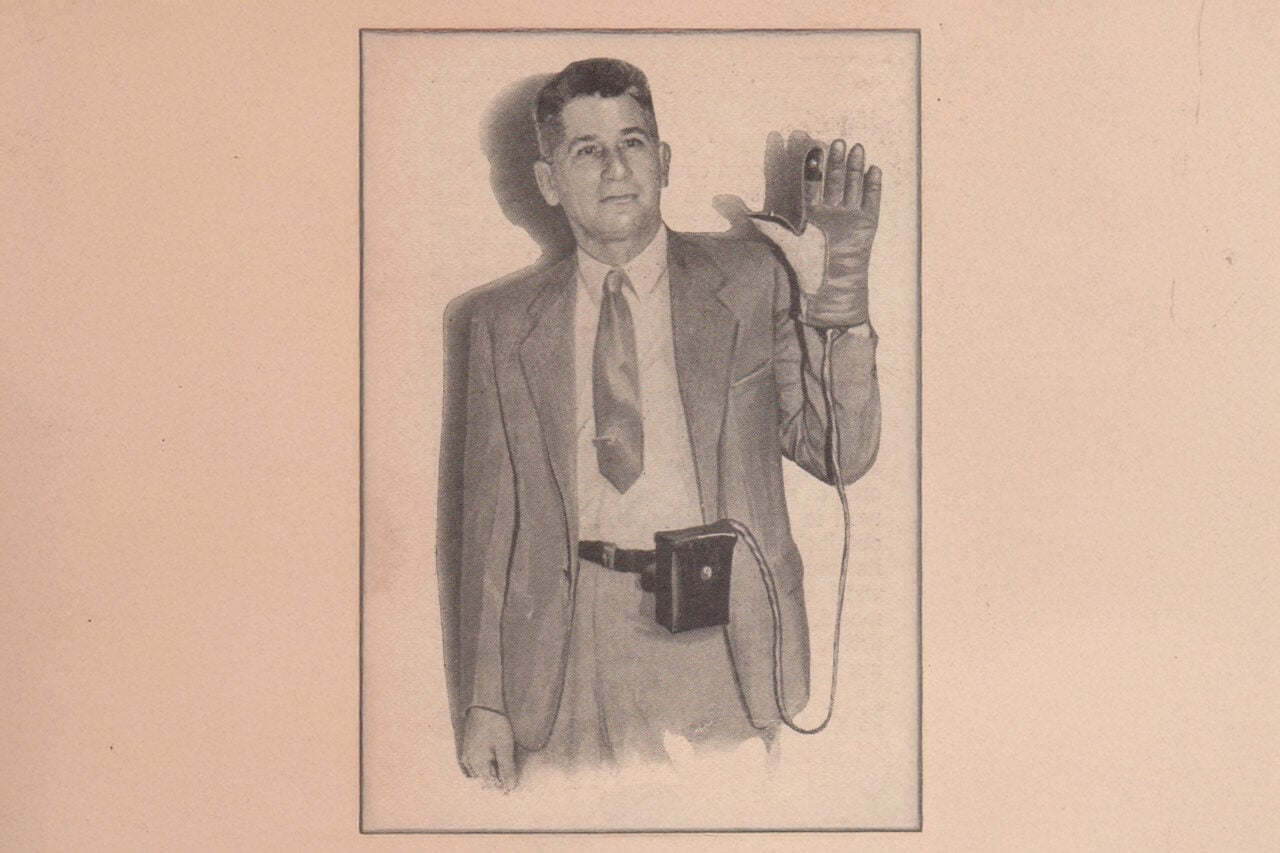
The electric shock glove of the 1930s is a fascinating artifact of a time when "less-lethal" technology was still in its crude, theatrical infancy. While today we have tasers and stun guns marketed as precision tools, this glove was pure theater—a leather-and-wire handshake of dread. The fact that it was invented specifically because people fought back against clubs speaks to a deeper truth: violence begets resistance, and so the state sought a weapon that bypassed courage entirely. It wasn't about stopping a threat; it was about breaking a will.
This device also foreshadows our current obsession with "pain compliance" in policing. The glove promised a clean, bloodless enforcement—no broken skulls, no messy headlines—just a sharp electric reminder of who holds power. But as with modern conductive energy devices, the line between deterrent and torture is alarmingly thin. The glove's design, meant to "incite fear," reveals a philosophy that treats the civilian not as a citizen to be protected, but as an animal to be conditioned. That mindset hasn't disappeared; it's just been rebranded.
What's striking is how this invention was both absurdly primitive and eerily prescient. We laugh at the idea of a cop offering a shocking handshake, yet we accept the same principle in a thousand-volt dart fired from 30 feet away. The glove failed because it required proximity and consent—you had to grab someone to shock them, which rather defeats the purpose. But its legacy lives on in every "non-lethal" tool that promises to end a conflict without ending a life, while still leaving psychological scars. The 1930s glove was a blunt instrument for a blunt philosophy; today's devices are just sharper, and we still haven't solved the underlying question of when force is ever truly "humane."