Can a Dam Expansion Hold Back Climate Considerations on the Colorado River?
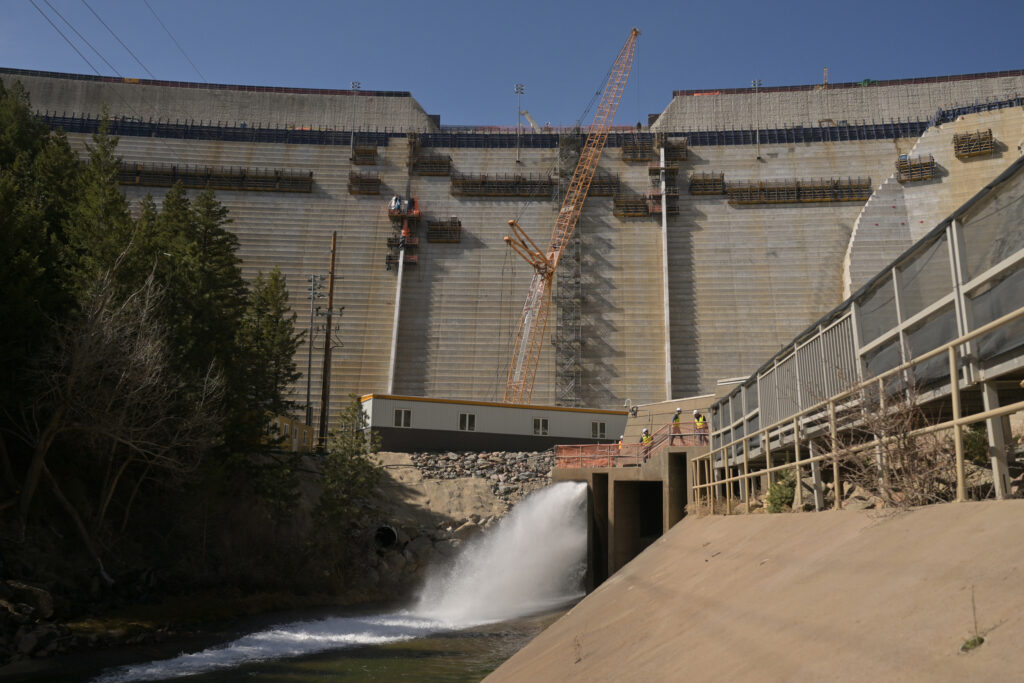
There's something almost poetic about a lawsuit that asks whether climate change should be a legal barrier to taking more water from a river that's already giving less. The Colorado River is the great illusionist of the American West—it appears to be a mighty waterway, but by the time it reaches the Gulf of California, it's often nothing but a trickle, a ghost of itself. And yet, we keep designing infrastructure as if the 20th century's wetter, more generous river is still there, hiding behind a curtain.
This case touches on a deeper philosophical question that Weird & Wild loves to poke at: What happens when our legal frameworks, built on assumptions of a stable climate, collide with a planet that's actively changing the rules? The environmental groups aren't just arguing about water levels—they're arguing that the Army Corps of Engineers should be required to consider the future state of the river, not just its historical averages. That's a radical shift. It's like asking a fortune teller to be legally accountable for their predictions, except the predictions are based on actual climate models.
The irony is that this expansion is happening precisely because the river is in trouble. We're building bigger reservoirs to store more water because there's less water to store. It's a classic case of fighting the last war—or in this case, fighting the last drought. The infrastructure is a monument to a climate that's already gone, and we're pouring concrete into the void.
What makes this story truly wild is the collision of timescales. The law operates in years and decades, but the climate operates in centuries and millennia. The Colorado River has been flowing for millions of years, carving the Grand Canyon, and now a federal judge might have to decide whether the Army Corps can ignore the fact that the river's future is written in carbon emissions. It's a strange, beautiful, and terrifying intersection of geology, law, and human stubbornness.