Flock cameras are officially banned on state roads in Florida
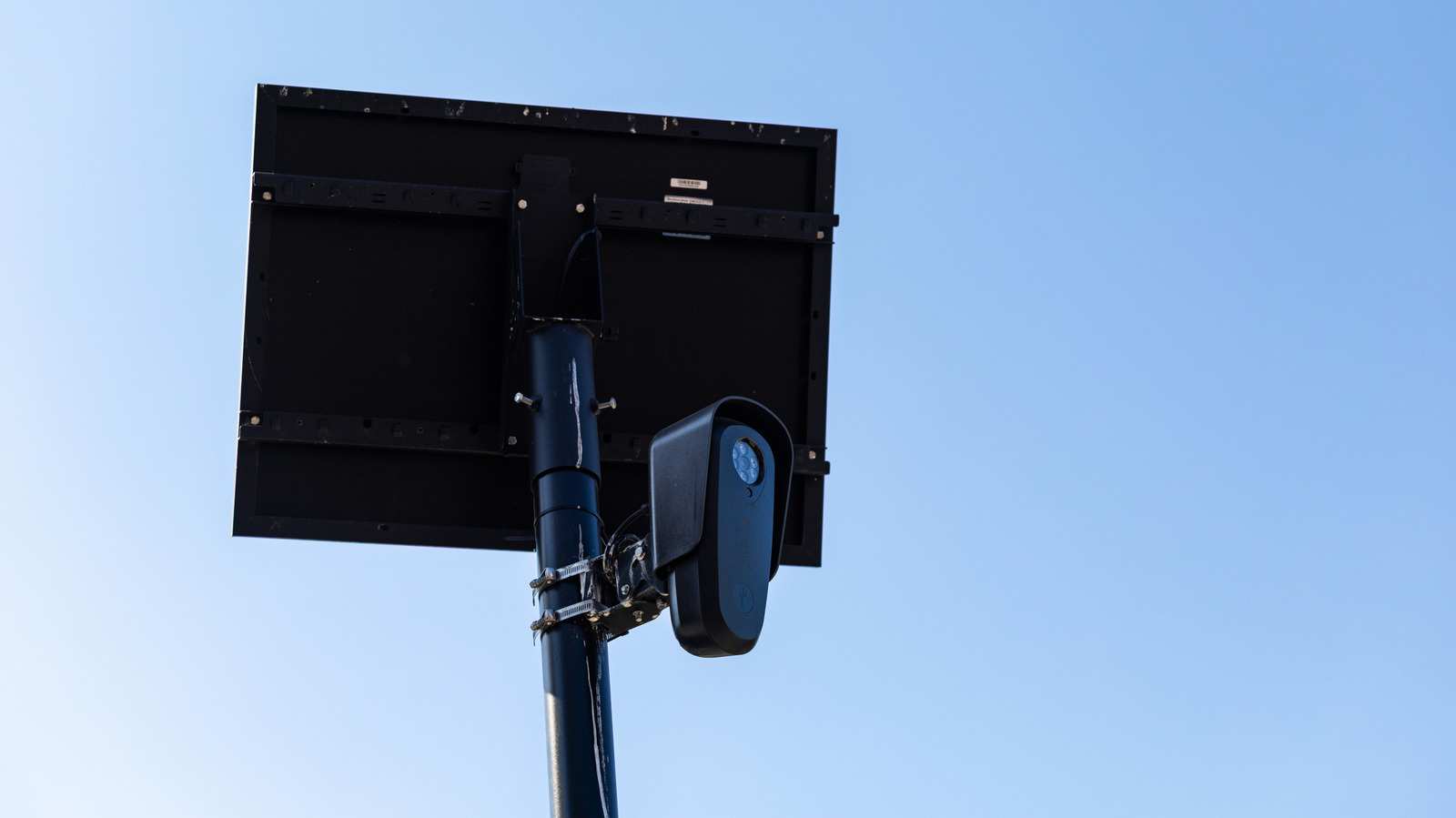
Florida’s decision to ban Flock license plate readers on state roads, as reported by Engadget, is significant not because it is the first such backlash, but because it shows how quickly automated surveillance has moved from a niche law enforcement tool to a mainstream political issue. License plate readers have long been framed as neutral, passive technology—just cameras scanning plates for stolen cars or amber alerts. But the public has increasingly recognized that these systems do not simply flag suspects; they record the movement of every vehicle that passes, building a searchable history of innocent drivers’ locations.
The core problem is not the camera itself but the network it feeds. Flock’s value proposition depends on scale: more cameras means more data, and more data means more connections between vehicles, places, and people. That model creates a kind of dragnet surveillance that feels very different from a single officer running a plate check. The Florida ban on state roads is a direct response to that reality, but it also exposes a regulatory gap. A driver may escape monitoring on a Florida highway only to be captured by a Flock camera on a city street or in a neighboring state, where different rules apply.
What makes this moment interesting is the shifting narrative around public safety technology. Flock has worked hard to position itself as a community safety brand, often partnering with homeowners associations and local police.