Scavengers Stay Healthy By Not Eating Their Own Kind, New Science Suggests
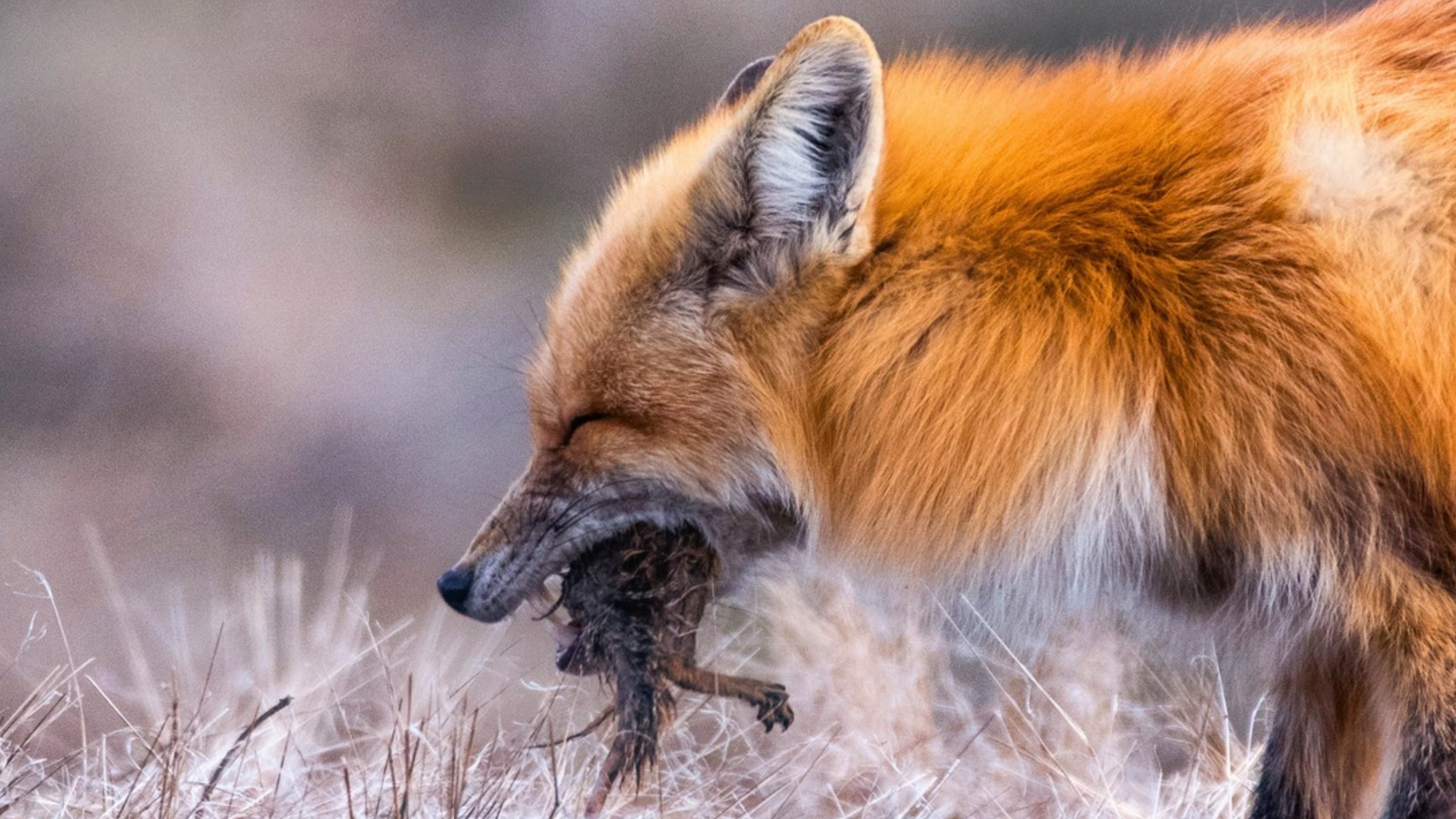
A vulture passing up a free meal because it happens to be another vulture is the kind of detail that makes you pause. We think of nature as brutally efficient, a machine that runs on calories. But this suggests a layer of etiquette we rarely give animals credit for. The idea that they've learned to recognize their own kind as a pathogen risk, not just as protein, points to a kind of biological wisdom that feels almost conscious.
I find it comforting in a strange way. It suggests that even in the grittiest corners of survival, there's a line that gets drawn, a quiet rule that says some things are off-limits for the sake of the group's health. It's not morality in our sense of the word, but it functions like it. The instinct to avoid one's own matters as much as the instinct to feed.
I'd want to know how this taboo actually plays out in the wild. Is it a scent marker, a visual cue? And what happens when the hunger is really desperate? Because that's always the test of any code of conduct, human or otherwise. Still, for a species as self-absorbed as ours, it's good to be reminded that some of the most profound wisdom is simply passed down in the gut.