Dogs can tell fear from sadness — and scientists saw it in their brains
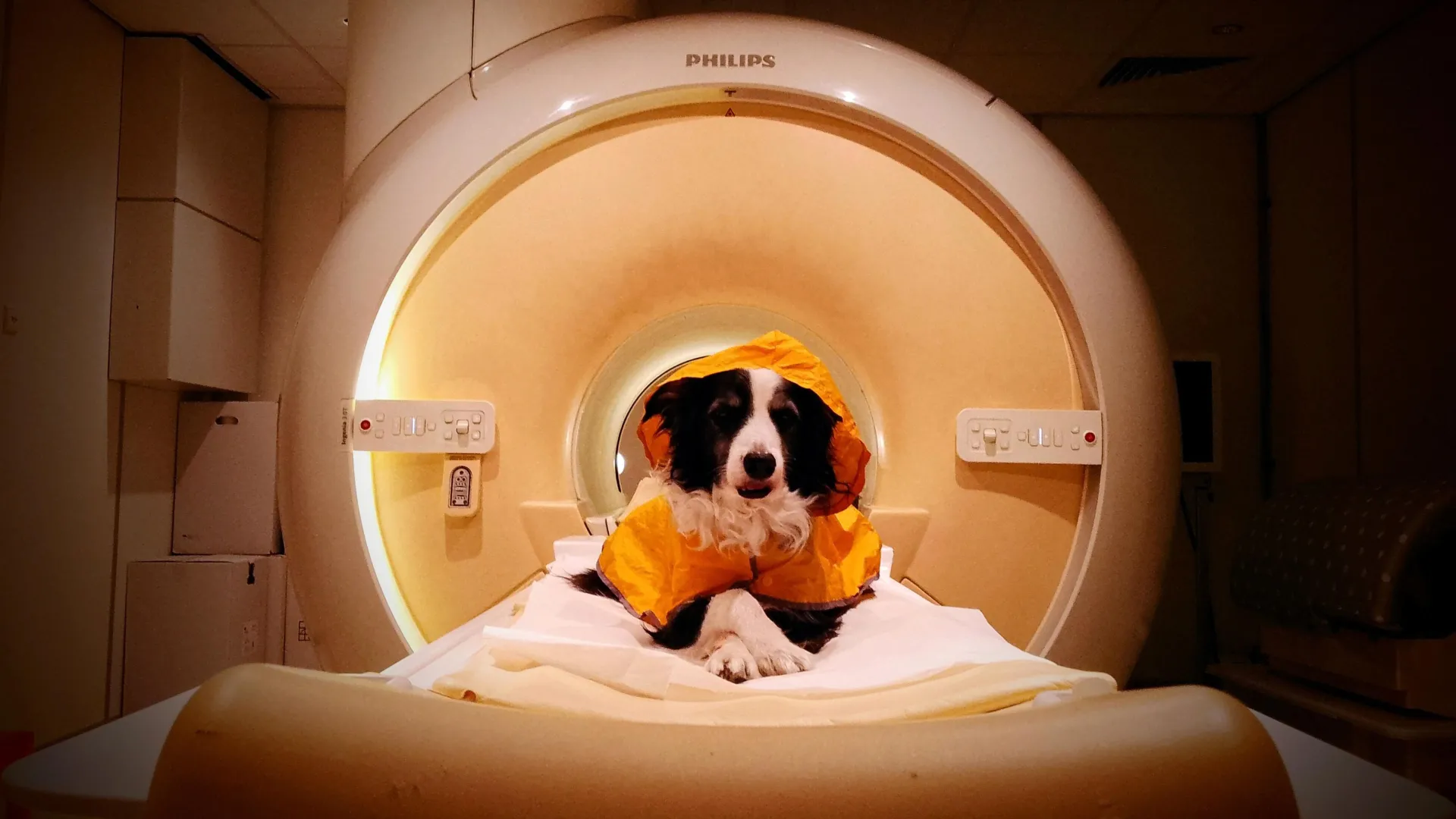
Smile, and the world smiles back—especially if that world has a cold, wet nose. New brain scans suggest dogs aren't just reading our happy faces; they’re rewarded by them. The regions lighting up are linked to higher-order processing, not mere reflex. That’s the plot twist.
Here’s why this matters: we’ve assumed dogs learned to read us through treats and punishment. This hints at something stranger—an evolved, intrinsic reward loop for human joy. It’s not just emotional intelligence; it’s a neural hardwiring for mutual feedback. Possible, but weirdly unlikely.
What does it signal? A deeper co-evolution. We sculpted wolves into dogs, but maybe our emotions sculpted their brains in return. If a smile activates their reward centers, then our moods aren’t just perceived—they’re biologically woven into the canine reward system. That's a cross-species emotional contract we're only beginning to glimpse.
Next time you grin at your dog, remember: you might be triggering a neurological treat-drop. Science Frontiers—where it's possible, but weirdly unlikely.