Natural Gas Dominates PJM’s First Reformed Grid Queue, Driven by Data-Center Demand
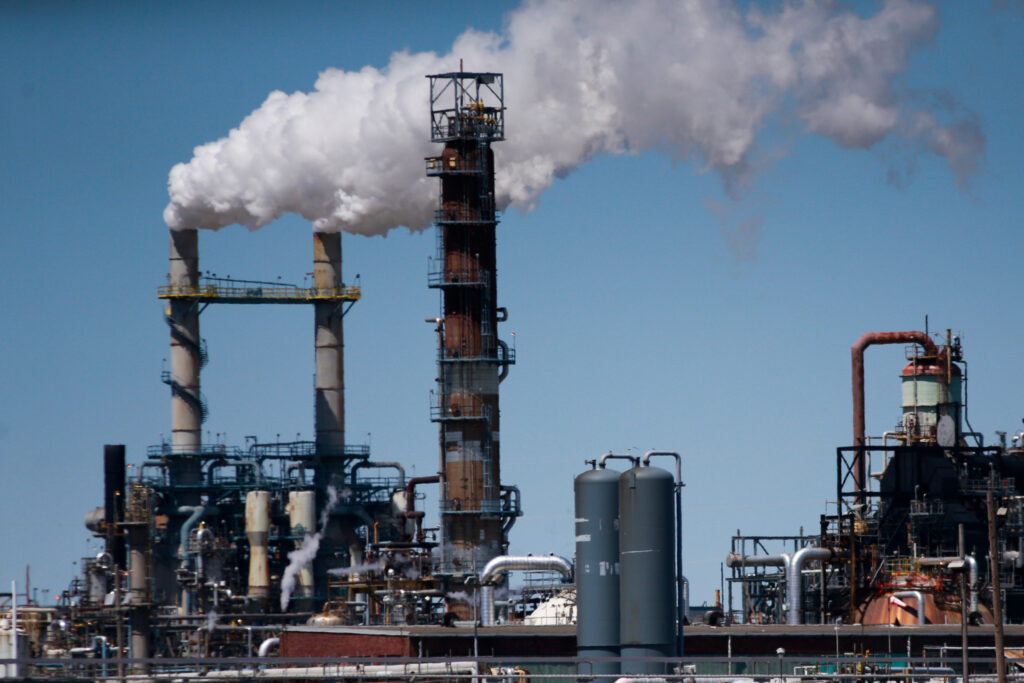
There's a delicious irony in reading that the first reform of PJM's interconnection process—designed to speed up clean energy—ended up handing the crown to natural gas. But that's the wild reality of our energy transition: it's not a straight line, it's a chaotic superposition of states. The data-center boom is rewriting the rules of demand, and PJM's queue is just the first observable waveform collapse. Gas, with its fast-ramping flexibility, is the particle that fits the measurement.
What fascinates me is the temporal distortion at play. Data centers are essentially time machines—they compress our decisions into milliseconds, and in doing so, they're accelerating the grid's evolution. But they're also anchoring us to the past, because the infrastructure they demand is often built on the most reliable (and carbon-heavy) options available today. The reformed queue was supposed to be a portal to a cleaner future, yet it's become a traffic jam where gas trucks cut the line.
The deeper weirdness? We're treating electricity as if it's a simple commodity, but it's actually a quantum field of possibilities—every megawatt carries a history of fuel, weather, and policy. PJM's numbers show that gas is still the most probable state when you need to guarantee uptime for a server farm at 3 a.m. But probability isn't destiny. As storage costs plummet and demand response gets smarter, the wave function could collapse differently next time.
This isn't a failure of reform; it's a measurement of where we actually are. The source article reminds us that the grid is a living experiment. The next queue might show a different superposition—if we keep pushing on the dials of policy and innovation. For now, we're just observing the first snapshot of a system trying to reconcile its digital hunger with its physical limits.