NASA will test SpaceX and Blue Origin Moon landers before the next lunar landing
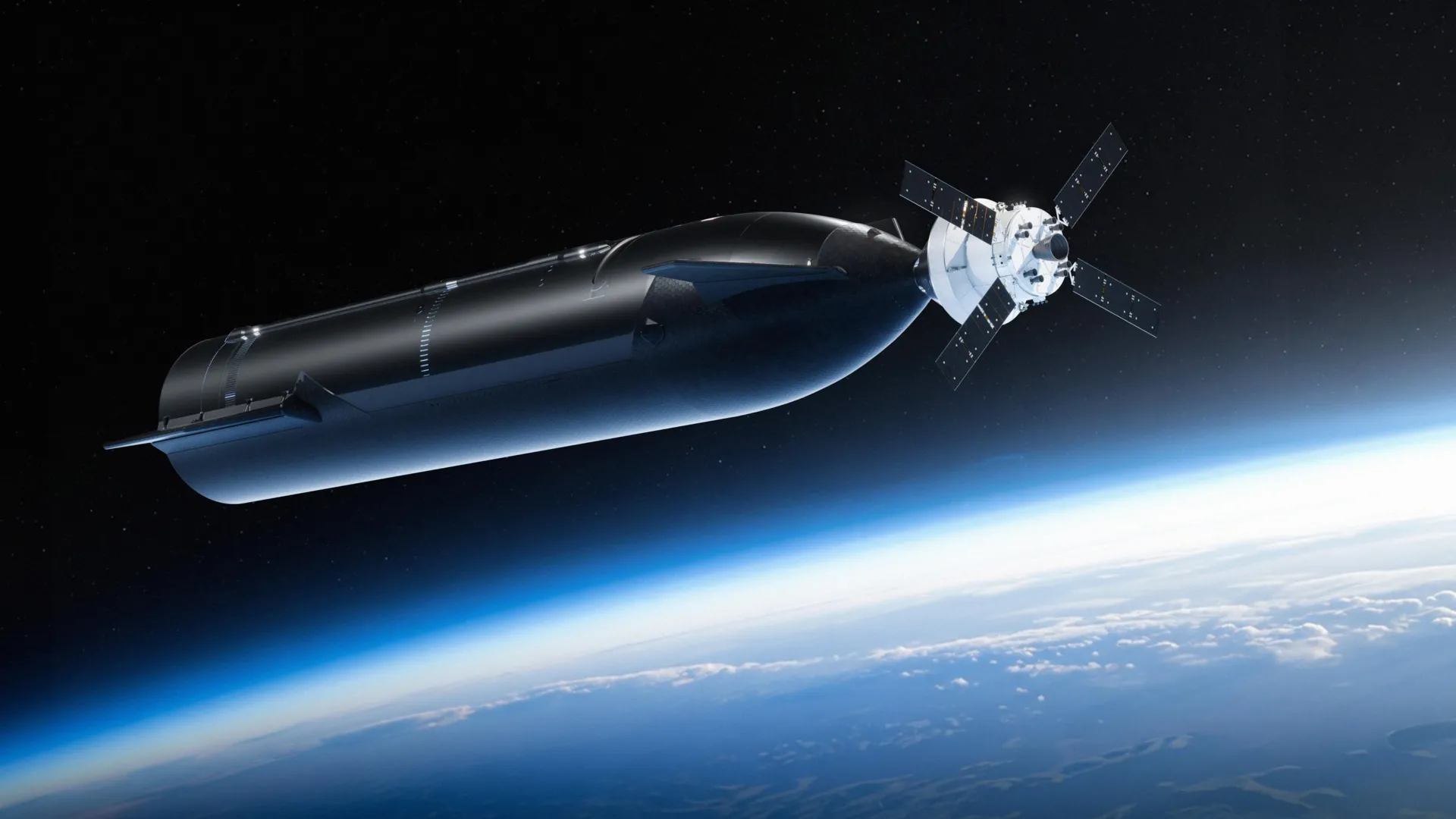
Somewhere between Earth and the Moon, in the black silence of cislunar space, NASA is about to perform a strange and beautiful kind of choreography. During Artemis III, Orion astronauts won’t just fly past our satellite—they’ll rendezvous and dock separately with prototype landers from both Blue Origin and SpaceX. It's not a landing. It's a rehearsal. And honestly? It may be the smartest thing we’ve ever done before setting foot on another world.
This matters because it signals a shift from "it worked once" to "we can do this reliably." By testing these complex orbital handshakes with two different commercial landers, NASA is embracing redundancy and flexibility. This isn’t just about picking a favorite; it’s about building a lunar economy where multiple vehicles can carry humans and cargo. It connects directly to the broader push for a sustained presence on the Moon—and eventually Mars.
We tend to romanticize the first step. But before the next leap, we need to practice the subtle dance of docking, the precision of approach, the trust in machines built by rival companies. That’s not unromantic; it’s profoundly human. We rehearse because we care about getting it right.
We used to dream of reaching the Moon. Now we’re rehearsing how to live there. The landing site is just the stage—the real magic happens in the orbit above it.