Water can survive surprisingly close to the Milky Way's supermassive black hole, James Webb Space Telescope finds
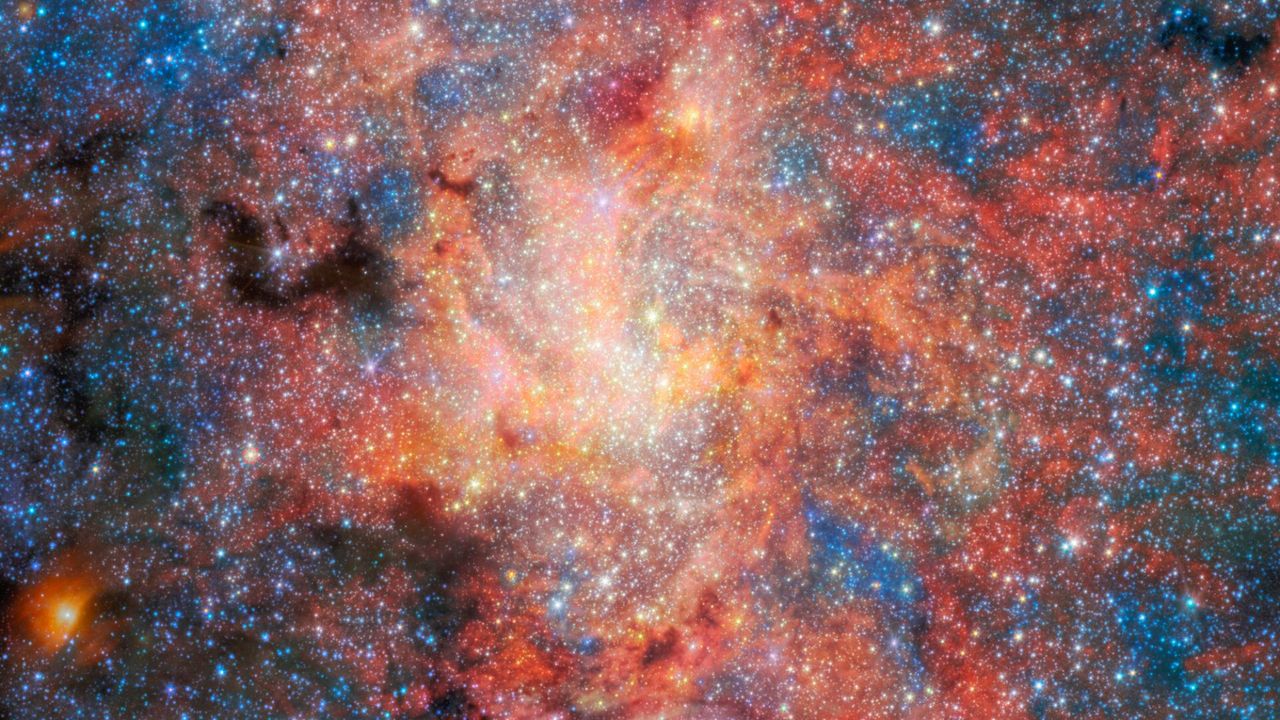
We tend to think of a supermassive black hole as the ultimate cosmic villain, an entity that devours everything, including light itself. Yet, these new JWST observations near Sagittarius A* reveal a far more delicate truth. Water—the very essence of life to us—is stubbornly persisting in the harsh glare of our galaxy's core. The region is a chaotic, radiation-soaked environment, and finding intact molecules there isn't just surprising; it fundamentally rewrites the rules of survival in the universe.
This matters because it forces us to look at the cosmic environment as far more resilient than we ever imagined. Water is the ultimate chemical storyteller. Finding it close to the supermassive black hole isn't just a scientific oddity; it signals that the building blocks for life as we know it can withstand some of the most hostile conditions imaginable. It forces a recalibration of every model of astrochemistry we have.
It also prompts a humbling question: if water can survive here, in our galaxy's most violent neighborhood, what else might exist in the shadows? The universe, it seems, has a much stronger tolerance for the ingredients of life than we ever gave it credit for. In the cold void between the stars, hope truly does float.