This giant stick insect fooled scientists for decades
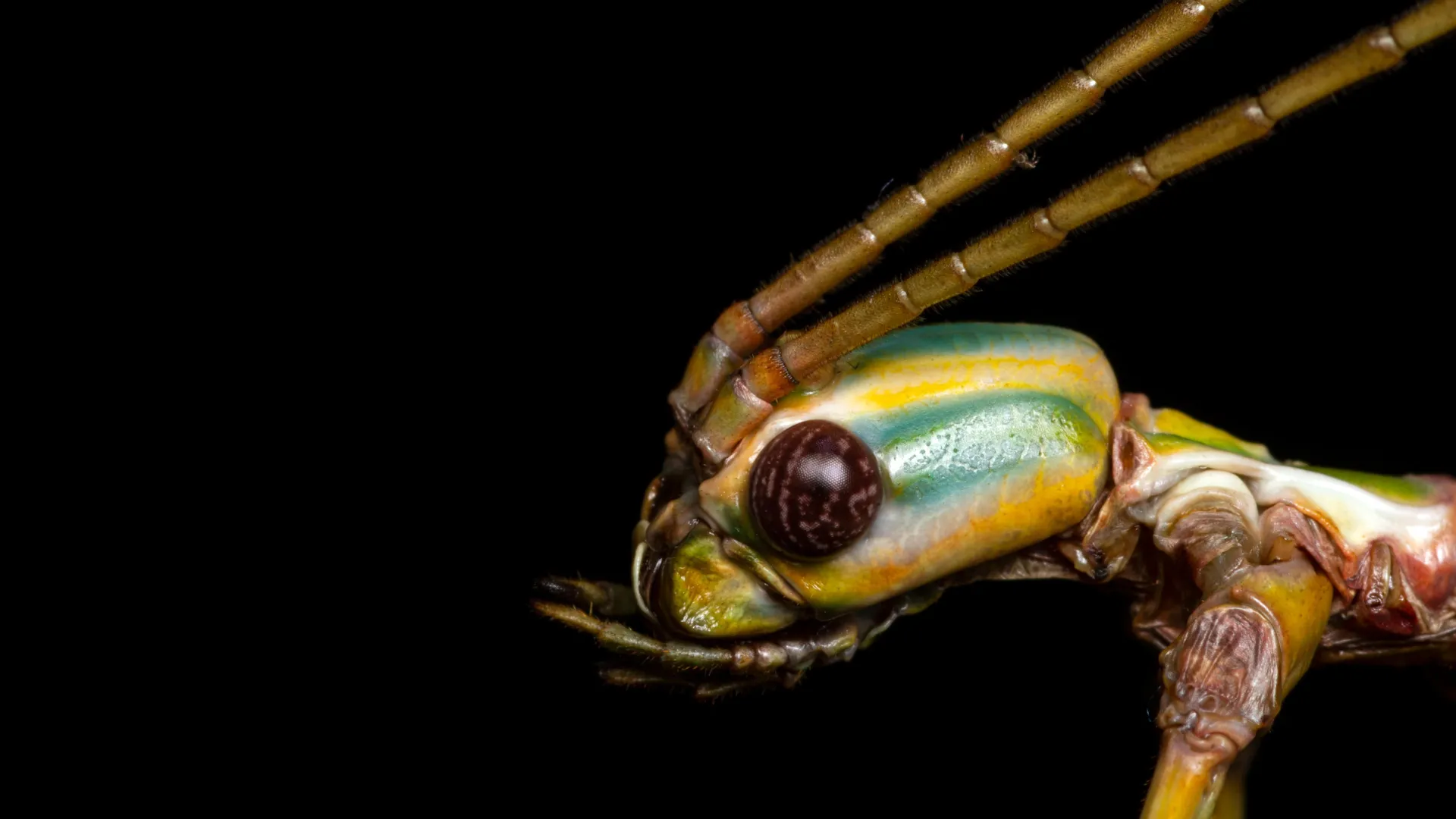
A tiny hinged lid on an egg sounds like something a jeweler would invent. But there it is, in a newly recognized species of giant Australian stick insect, and nobody in the entire stick insect family has ever seen anything like it. I keep turning that detail over. Hinges imply purpose. Something needs to open, close, or both, and the obvious guess is that the hatchling uses it as a door. But it could just as easily be a ventilation flap, or a weak seam that happens to look engineered. That's the fun of a discovery like this: every answer produces three new questions.
Stranger still, this animal hid in plain sight. It sat in collections and field guides under the same name for decades, while scientists confidently labeled it as something it wasn't. Genomics caught the error, which says something about how much faith we put in familiar labels. I'd want to know how the hinged lid behaves when the egg hatches, and whether the two new species share it. If they do, it might be a clue to how such a bizarre feature evolved. If they don't, the impostor's story gets even more tangled.