United Airlines will deliver food and other essentials to your gate
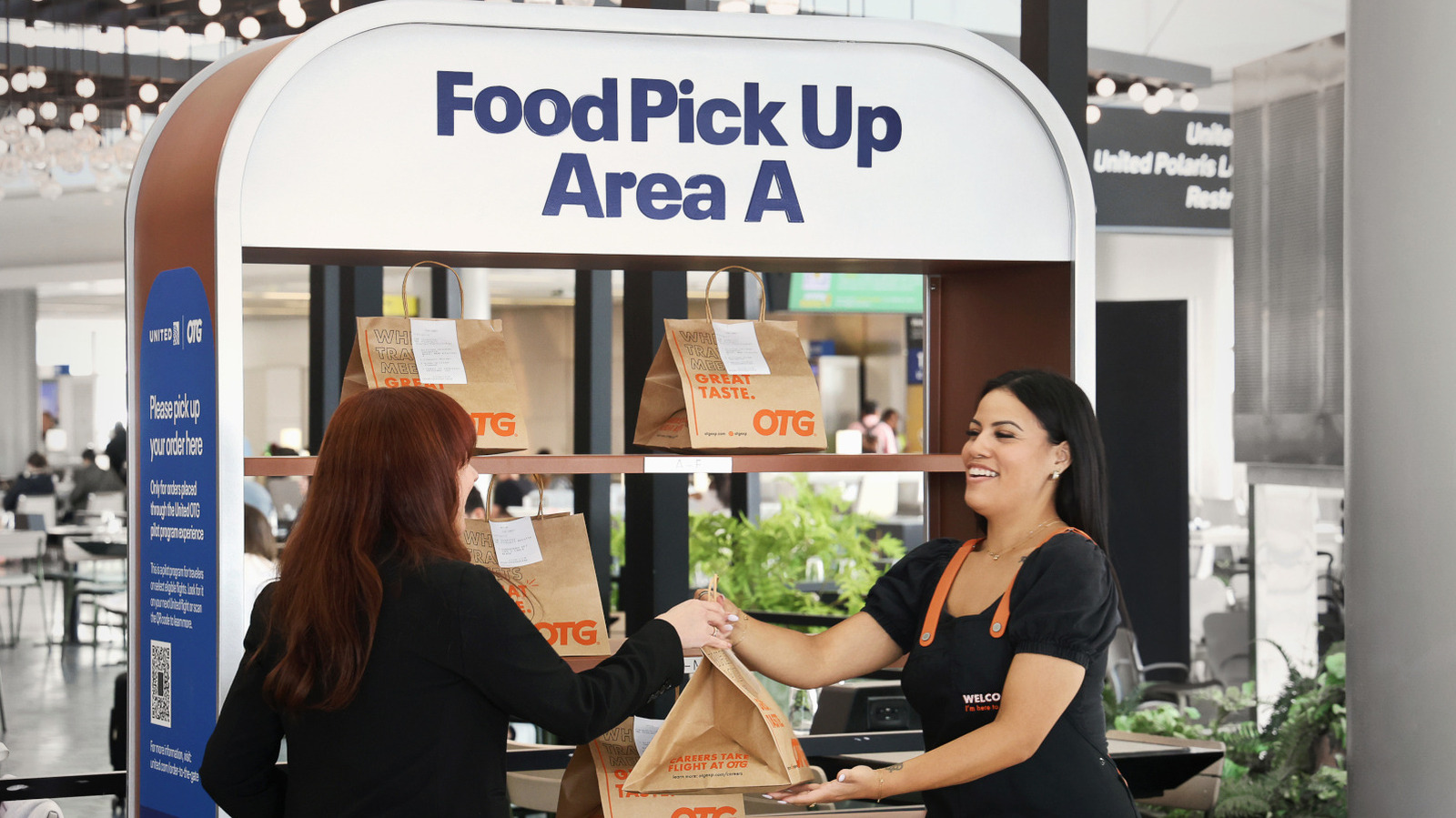
The gate is the last great dead zone of the passenger journey. You've cleared security, you've checked your bag, you've surrendered your shoes — and then you sit, captive, in a plastic chair, refreshing the departure board. United's pilot to deliver food and essentials to that gate is a small operational experiment with an outsized strategic signal: the airline no longer sees its product as ending at the aircraft door. It wants to own the interstitial time, the minutes that currently belong to airport concessionaires and overpriced vending machines.
This is the airlines-as-platform play, and it's been building for years. Carriers have spent a decade turning their apps into commerce hubs — seat upgrades, bag fees, lounge passes, Wi-Fi bundles. The gate delivery trial is the logical next step: instead of waiting for passengers to walk to a restaurant, the airline brings the restaurant to them, inserting itself as the intermediary in a transaction that previously happened entirely outside its ecosystem. The revenue per transaction may be small, but the data is not. Every order tells United something about passenger behavior, preferences, and price sensitivity at a moment of maximum idle attention.