NASA-backed scientists turn plastic waste into edible cookies
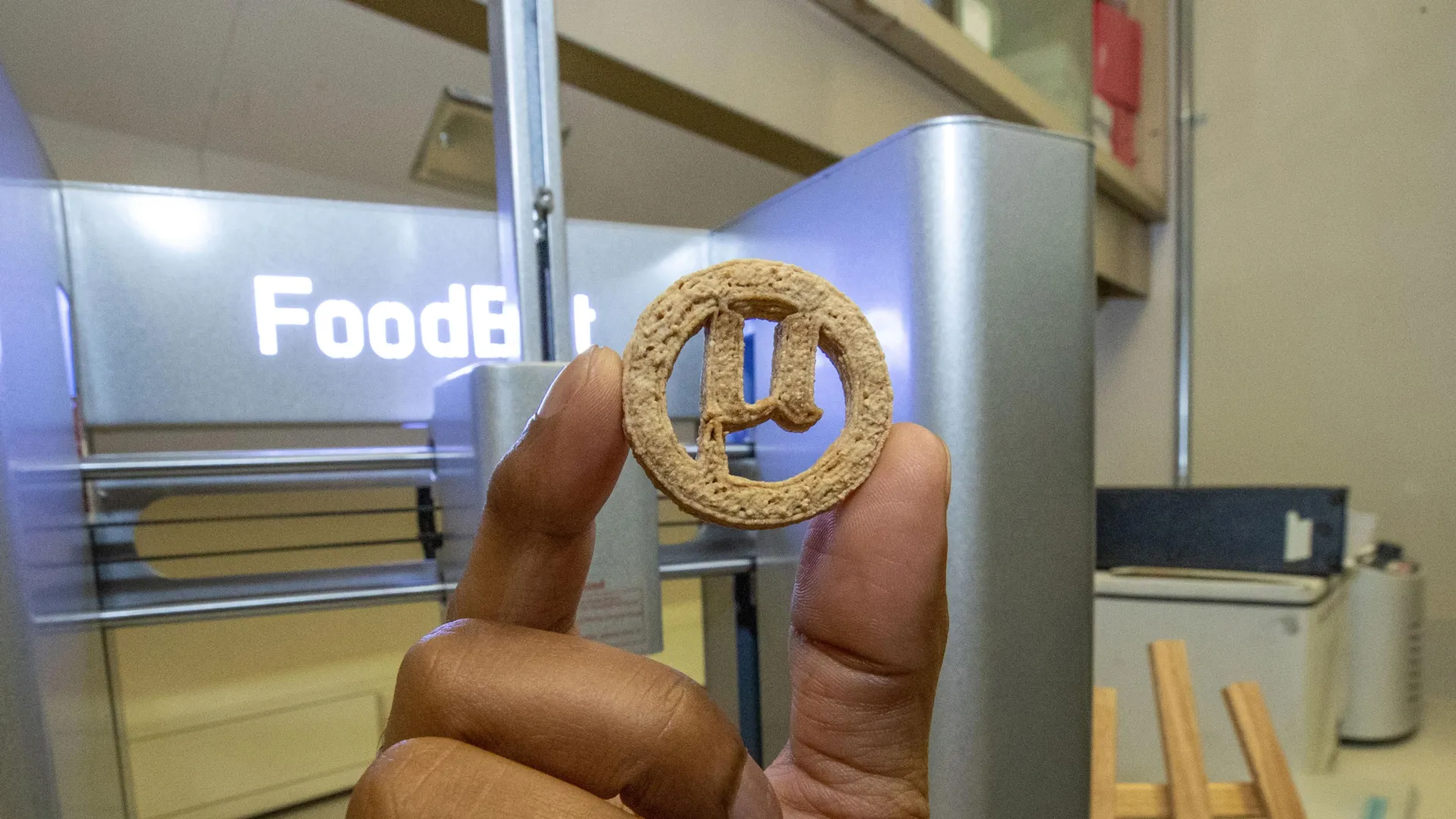
A cookie that tastes like vanilla, made from the plastic that once held your drinking water. That's the detail I keep circling back to. The yeast does the hard work, breaking down PET bottles and crop leftovers into protein, and somewhere in that process it synthesizes a flavor we associate with comfort and dessert. Waste becomes dinner, with a hint of something sweet.
Under NASA's Deep Space Food Challenge, this makes practical sense. You can't bring a full pantry to Mars; every kilogram you lift costs fuel. If a yeast strain can eat your bottles and your leftover crops and keep the crew fed, you've turned a liability into a resource. The loop closes itself.
I'd want to know what it actually tastes like, and how much energy the fermentation demands. On a Mars base, power is precious, and a cookie that costs more electricity than it's worth wouldn't last long. But the same principle could apply down here, where the challenge is the mountains of plastic we don't know what to do with.