Empoderando a las comunidades guatemaltecas afectadas por el plástico
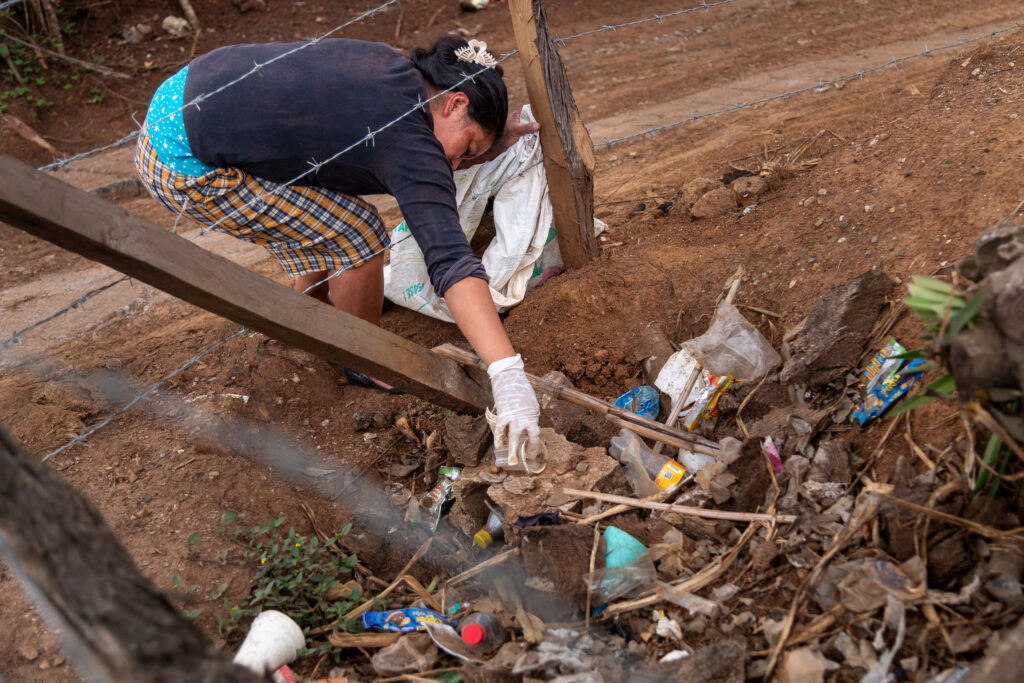
This quiet scene of a woman picking plastic from beneath a barbed wire fence in El Duraznal is not an isolated anecdote—it is a snapshot of the global waste crisis landing on the doorsteps of those least responsible for it. Guatemala, like many lower-income nations, receives vast amounts of imported plastic waste and struggles with inadequate collection systems, leaving rural communities to cope with the fallout. The act of manual cleanup is heroic, but it is also a symptom of a broken system where producers and wealthy nations externalize the costs of their consumption.
The Pulitzer Center's support for this story signals a growing recognition that environmental journalism must center on frontline voices. Soila Elizabeth Cruz is not just a victim; she is an actor in a larger movement for dignity and environmental justice. Her labor, however, should not be romanticized—it is unpaid or poorly compensated work that fills the gaps left by policy failures. The plastic she removes from the soil today will likely return tomorrow, carried by the same winds that brought it, unless upstream production and waste management are fundamentally transformed.
Climate Watch sees this story as a reminder that the climate and plastic crises are intertwined. Fossil-fuel-based plastics contribute to greenhouse gas emissions at every stage, and the communities most exposed to their pollution are often those with the fewest resources to adapt. Empowerment, in this context, means more than teaching recycling—it means supporting community-led advocacy for extended producer responsibility, bans on single-use plastics, and investment in zero-waste infrastructure. Until then, the women of El Duraznal will keep picking, but they should not have to. Their work demands our solidarity and systemic action.