GLP-1 drugs could have a surprisingly large environmental payoff
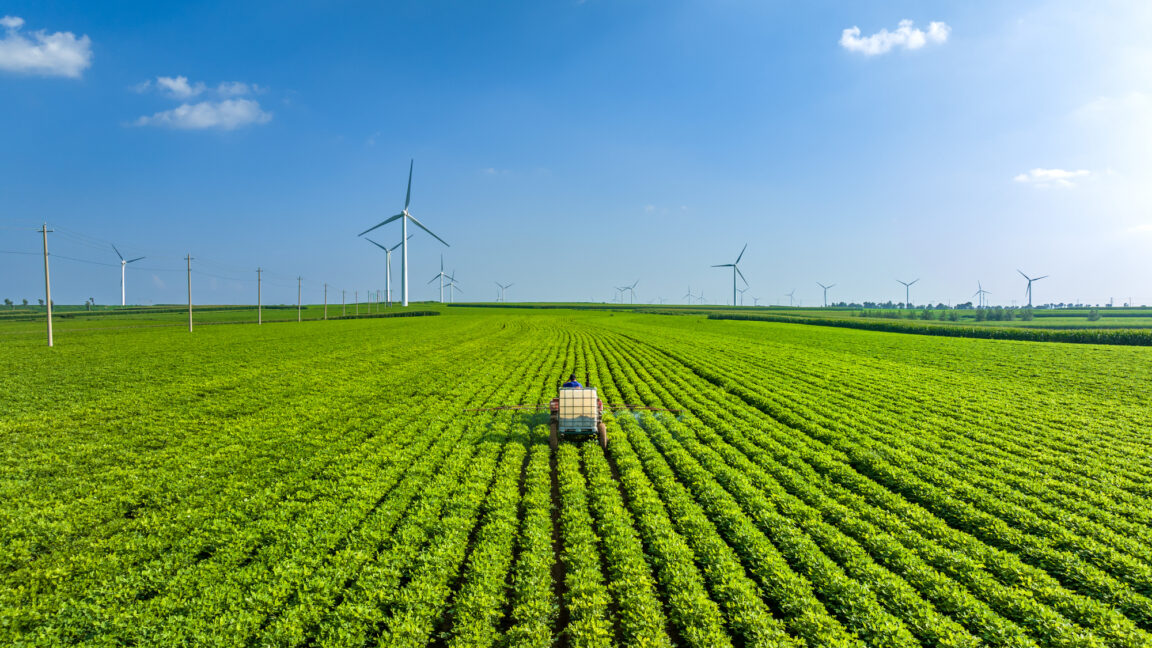
The Italy-sized number is the hook, but the real story is how a health intervention quietly becomes a land-use policy. We pour billions into conservation programs to protect farmland and habitat, and here's a drug that could achieve something similar by simply reducing how much food we need. That's a genuinely different lever.
Still, I'd want to see the assumptions under the math. GLP-1 drugs suppress appetite, but food demand doesn't fall one-to-one with fewer prescriptions. Some people regain weight, some switch to cheaper foods, and the drugs themselves carry supply-chain footprints. And freed farmland doesn't automatically become forest. It could just as easily become solar farms, housing, or more intensive cropland elsewhere.
The environmental upside is plausible and worth taking seriously, but it only becomes real if we deliberately manage what happens to that land. Otherwise it stays a hypothetical.