120 Roman-Era Inscriptions Found Deep in a Spanish Cave Point to a Mysterious Goddess Named ‘Domina’
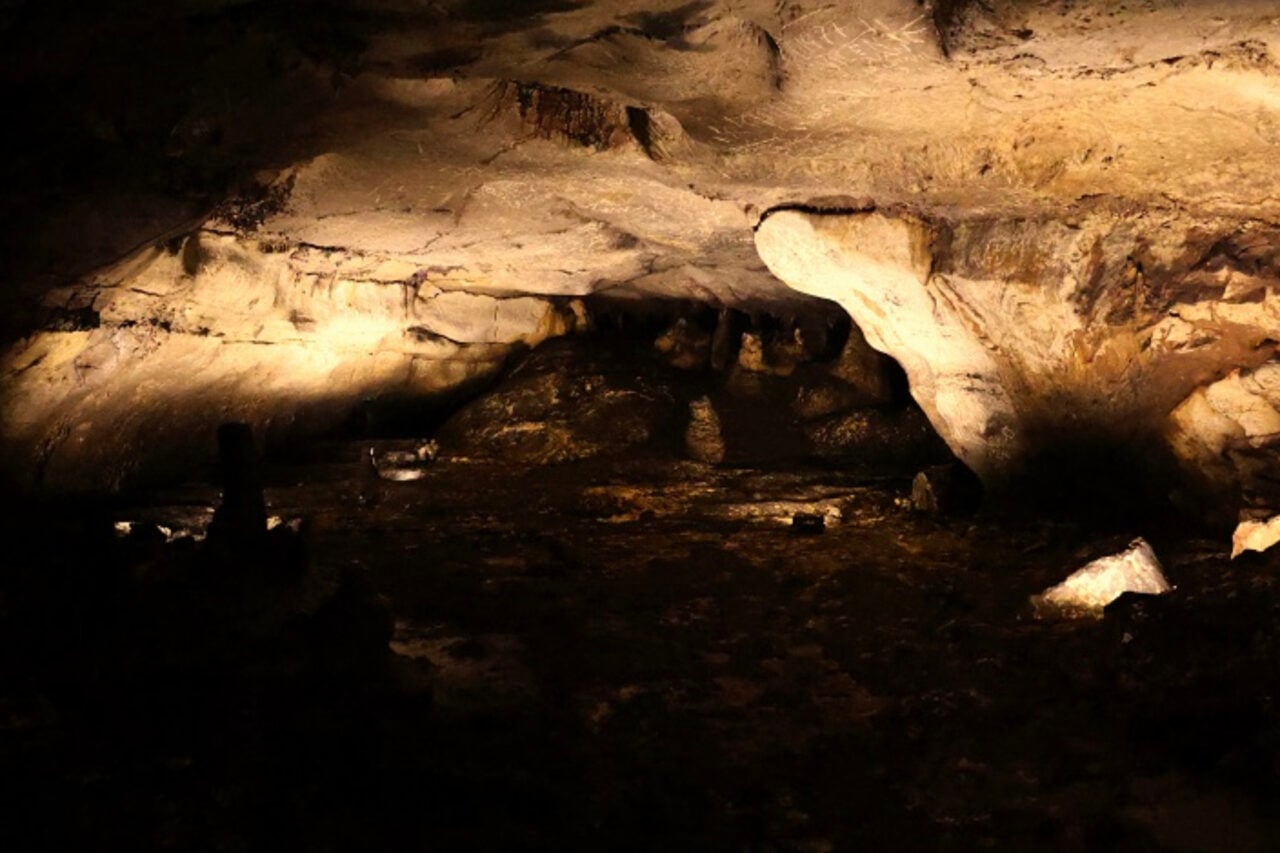
There's something profoundly unsettling—and exhilarating—about a goddess who refuses to stay buried. The archaeologists who found these inscriptions in a Spanish cave expected Roman graffiti, maybe a few votive offerings. Instead, they found a name: Domina. "The Lady." A title, not a mythologized persona. No origin story, no epic poem, just a name carved into stone by people who clearly believed she was real enough to petition.
What fascinates me about Domina is her anonymity. The Romans were compulsive documenters—they wrote everything down, from tax records to love spells. Yet here is a goddess with 120 inscriptions and zero mythology. She existed in the spaces between official records, in the quiet desperation of pilgrims who climbed into a dark cave to speak to someone who might not be listening. That's the kind of deity speculative fiction loves: the one who operates outside the pantheon, the one who exists because people need her to.
The cave itself is the real protagonist here. If it held religious significance since the Stone Age, then Domina may be merely the latest name for something much older. Think about it—a place where humans have gone to commune with the numinous for ten thousand years. The Romans arrived, encountered the local spirit of the place, and gave her a Latin name. This is the deep-time archaeology of belief, and it suggests that sacred geography outlives every theology imposed upon it.
There's a darker thread here too, one that feels almost like the setup for a cosmic horror story. A goddess worshipped in a deep, dark cave. A name that means simply "mistress" or "lady." No myths, no attributes, no explanations. What exactly were the Romans asking her for? And more importantly—what might she have been asking of them? The inscription record is one-sided, after all.
As we catalogue these stones and try to slot Domina into our databases of ancient deities, I can't shake the feeling that we're doing what the Romans did: giving a name to something we don't fully understand, hoping that naming it will contain it. The cave is still there. The dark is still deep. And somewhere in the limestone, the Lady may still be waiting for her next supplicant.