Israeli strikes on south Lebanon kill nine in worst toll since June
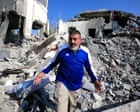
Here’s the thing about a “lull” in the Middle East: it’s often just the silence between the strike and the dust. As The Guardian reports, two Israeli airstrikes in southern Lebanon have killed nine people—including three children—in the worst single toll since June’s agreement brought a tense quiet between Israel and Hezbollah. Homes flattened in Ansar and Deir al-Zahrani are a bloody, concrete reminder that de-escalation is not the same as resolution.
Why this matters now? Because every ceasefire is a stress test, and this one just showed its fracture lines. The June deal was always less a peace treaty than a shared hope for self-restraint. But hope doesn’t protect children at 6 a.m. in a rural village. Rescue workers digging through rubble are not arguing about deterrence; they’re counting bodies. That gap—between geopolitical framing and human cost—is the real story.
What does it signal? That the region’s default setting is still gravity: pull back and something will pull you forward again. Israel says it hit militant targets; Lebanon’s state media reports walls and playgrounds and survivors. Both narratives are likely “accurate” within their own operational logic, and both feed a cycle where diplomatic gains evaporate faster than the smoke. The June lull, in retrospect, wasn't a breakthrough—it was a brittle intermission.
When the bombs land on homes, the deal isn’t just broken—it’s buried. And someone has to start digging past the politics before they can dig out the survivors.