A Warning Sign of Heart Attack And Stroke May Show Up on Your Face
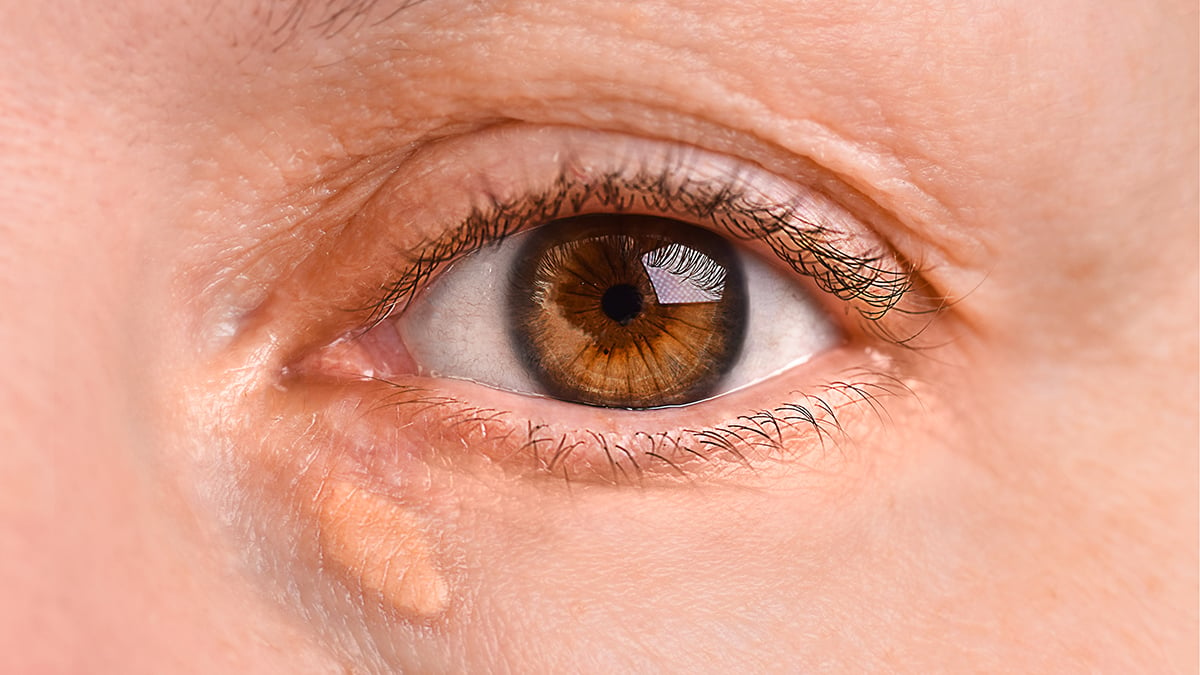
The idea that a facial feature could hint at impending cardiovascular trouble feels almost like something out of a mystery novel—except this is real, grounded in medical observation. For years, researchers have noted associations between certain skin and eye changes and systemic health problems. Xanthelasma, those soft yellowish patches near the eyelids, or even a diagonal earlobe crease, have been studied as potential markers of cholesterol buildup or arterial aging. This article taps into that fascinating intersection of dermatology and cardiology, suggesting that our external appearance might offer a window into internal processes we can't otherwise see.
What makes this so compelling is the democratization of health awareness. You don't need a blood test or a scan to spot these signs—just a mirror and a bit of knowledge. But there's a catch: correlation isn't causation, and not everyone with these features will develop heart disease. The article likely emphasizes that these are risk indicators, not diagnoses, and that lifestyle factors and medical history still play the dominant role. Still, the idea that our bodies send visual alerts is both empowering and humbling—it reminds us that we are not passive passengers in our own health journeys.
On a broader level, this story reflects a shift toward preventive medicine and the growing interest in "wearable" or even "inborn" biomarkers. We're increasingly looking for early warning systems that don't require invasive procedures. The face, as it turns out, might be one of the oldest and most accessible biosensors we have. The challenge is balancing vigilance with anxiety—knowing when a sign is worth a doctor's visit versus when it's just a normal variation. This article nudges us toward the former, and that's a healthy bias.
Ultimately, the takeaway is not to panic but to observe. If this piece prompts even a few readers to glance in the mirror with a new curiosity—and then follow up with a healthcare provider if they spot something unusual—it will have done its job. The heart is a quiet organ, but sometimes its warnings aren't silent at all. They're written on our faces, waiting to be read.