Scientists identify two overlooked skills that predict reading success
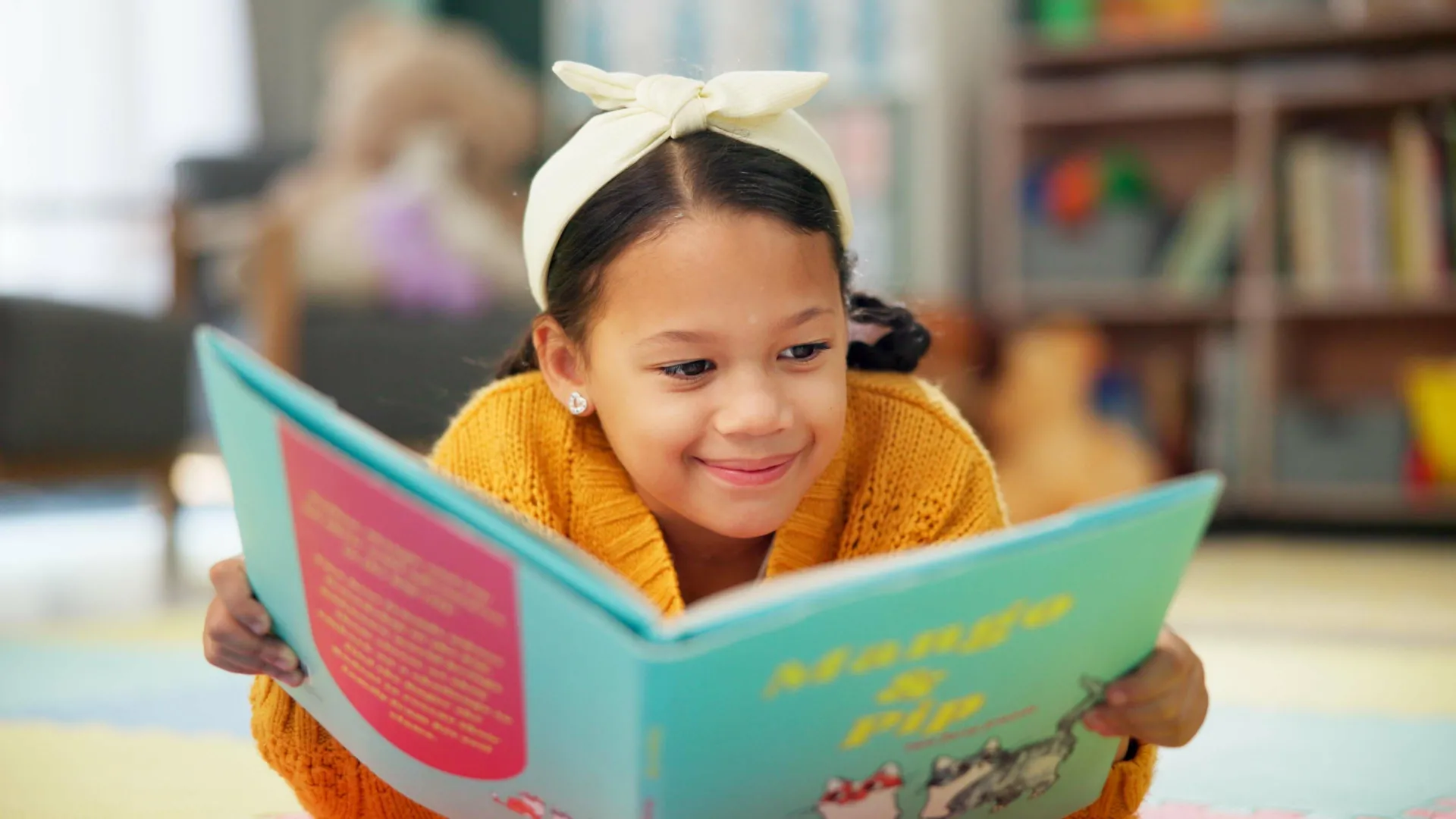
A child with an average IQ can become a strong reader, and a child with perfect vision can stumble on every page. That's the quiet shock at the center of this study. We've spent so long treating reading as a cognitive feat, a measure of smarts, that we've overlooked the role of sheer exposure: knowing what a word means before you try to decode it, and recognizing the sounds that make it up.
What interests me is how this reframes reading struggles. If background knowledge and vocabulary are the real levers, then a kid who has never been read to misses out on skills and a whole web of associations. Flashcards can't fix that deficit. We need conversations, field trips, and stories, the slow accumulation of a world inside a child's head.
I'd want to know more about how the study measured background knowledge, and whether these predictors hold across different languages and cultures. But the direction feels right. Reading depends on recognition, and we can only recognize what we've already met somewhere before.