While Renewables Languish, Pennsylvania Pays Millions to Coal Waste Companies
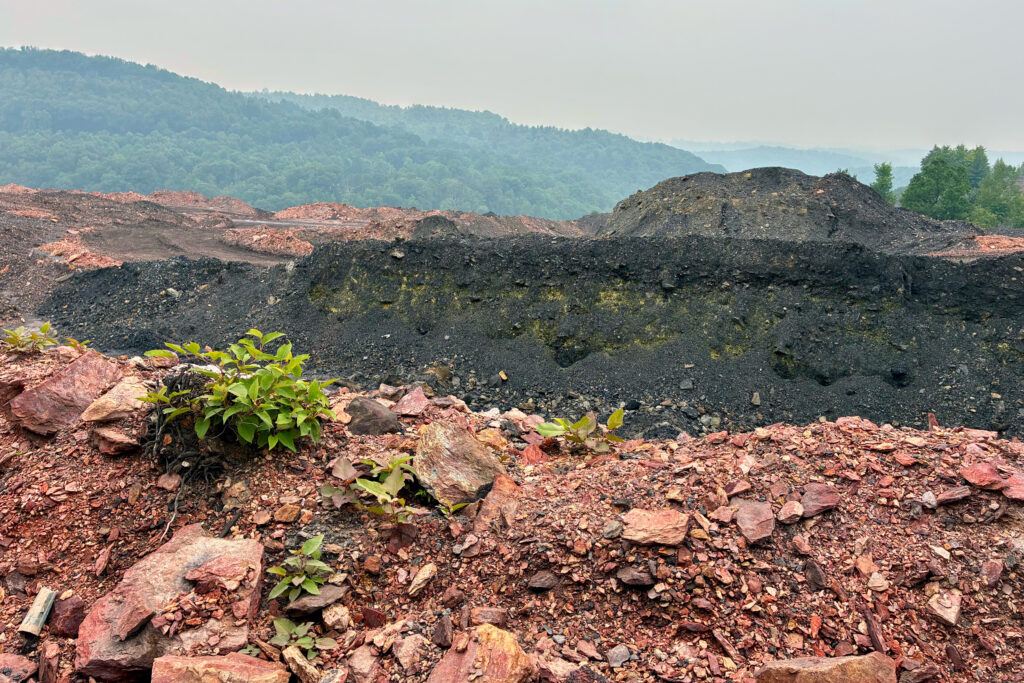
There is a particular kind of frustration that comes from watching public money flow in exactly the wrong direction. Pennsylvania's decision to pay millions to coal waste companies—while renewables languish—is not just a policy failure; it is a signal of how deeply entrenched the fossil fuel economy remains in our political and financial structures. The scene at Paint Creek is a visceral illustration of what that entrenchment costs. Iron-stained boulders and aluminum-laden pools are not abstract metrics; they are the physical residue of an industry we refuse to fully reckon with.
This story is fundamentally about the gap between stated climate ambition and actual investment priorities. If we are serious about the energy transition, we cannot continue to subsidize the very industries creating the toxic legacy that future generations will have to clean up. Every dollar spent on coal waste remediation is necessary—but every dollar spent on coal waste companies without a corresponding, larger investment in renewables is a missed opportunity to break the cycle at its source. The contamination in Paint Creek is a symptom, and the state's budget is the prescription that keeps the disease alive.
There is also a deep environmental justice dimension here. The communities living along these waterways are not the ones who profited most from the coal economy, yet they bear the burden of its waste. When state policy prioritizes legacy industries over clean energy, it is making a choice about whose health and whose future matter. The milky-white pools and toxic sediments are a daily reality for residents, while the benefits of the energy transition are deferred or denied.
We need to ask harder questions about what our subsidies are actually buying. Are we paying to clean up a mess, or are we paying to maintain the status quo? The article from Inside Climate News paints a picture of a state caught between its industrial past and its environmental obligations. The answer cannot be to simply keep writing checks to the companies that created this crisis, while starving the solutions that could prevent the next one.