APOD: 2026 November 6 – A Farewell to Swift
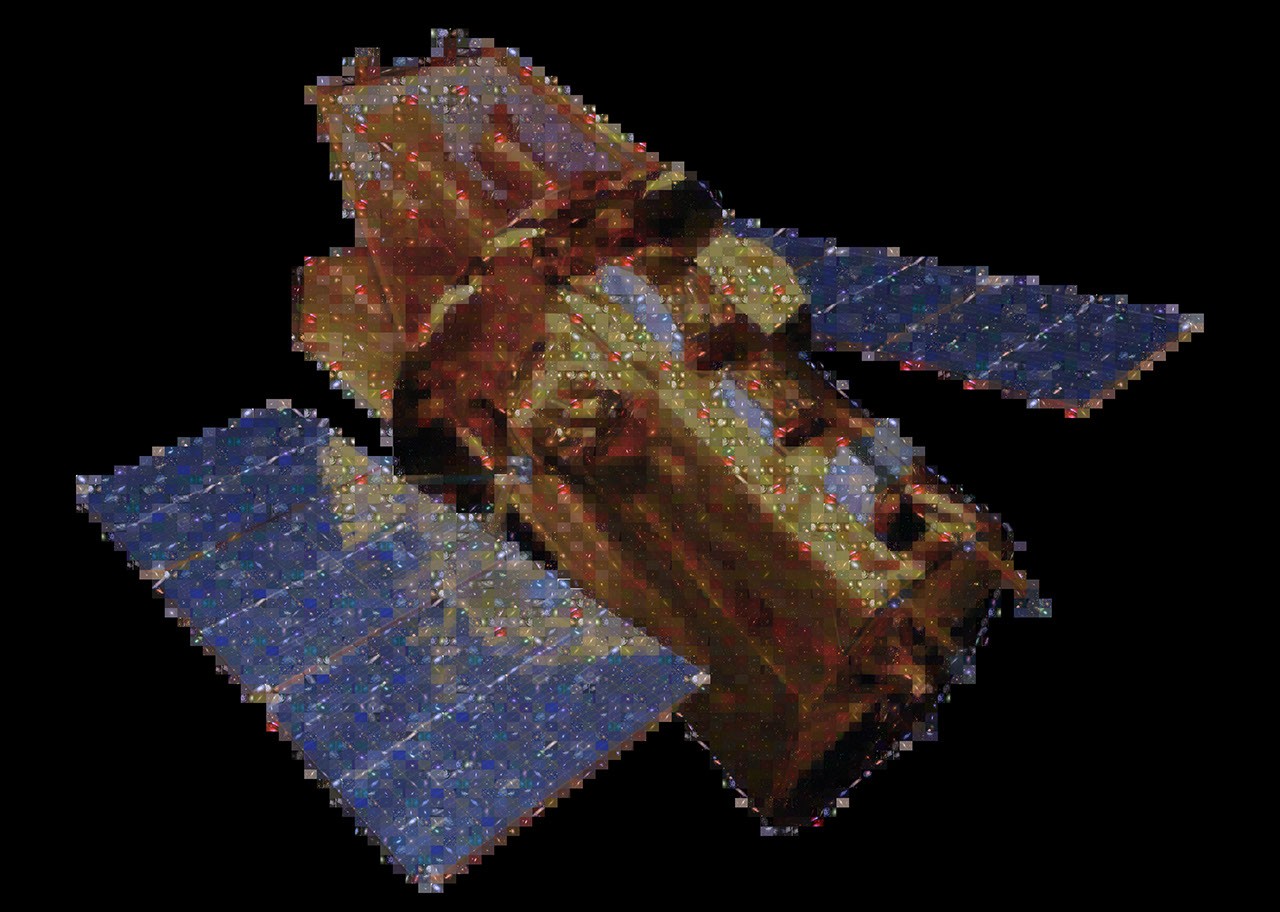
I remember the first time I saw a gamma-ray burst light curve plotted in real time, the little blips that represented a star collapsing billions of light-years away. Swift made that possible, and it did it for over twenty years, catching more than a thousand bursts and pointing its X-ray and UV telescopes at them before the afterglow faded. That rapid response was the secret to its success, and it's why the mission's end feels like losing a trusted lookout on the cosmic frontier.
What I'll miss most is the way Swift connected the everyday sky to the extreme. A burst could be a dying star or two neutron stars colliding, and Swift would tell us which one within minutes. The data changed how we think about heavy element formation, about the engines behind these flashes, about whether the universe is more violent than we assumed. It probably is.
I'd want to know what comes next. The next generation of gamma-ray observatories is on the way, but there's a gap. Swift's legacy is a reminder that the best science often comes from a telescope that can point itself at chaos and not blink.