‘Prepare early’: bushfire authorities sound alarm for NT, NSW and Queensland
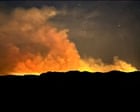
The land down under is perpetually on fire watch, but these early warnings from Australian authorities feel less like a forecast and more like a tolling bell. When fire authorities in the Northern Territory sound the alarm about a "dangerous and fire-promoting" invasive species like buffel grass, they are painting a picture of a perverse synergy. It’s one thing to face rising heat; it’s another to hand that heat a weapon. The story here isn't just about flame—it’s about the rewiring of an entire ecosystem into tinder.
This is why the story matters. As the summary notes, the effects of global heating are being "worsened" by these factors. We’re not looking at a simple linear progression of hotter days. We are seeing a feedback loop where a warming planet fuels the spread of invasive grasses, which in turn creates the precise fuel loads that make catastrophic bushfires inevitable. The low soil moisture in NSW and the heightened danger in Queensland force a brutal connection: climate change doesn't just bring fire; it collaborates with the environment to make fire burns brighter and longer than our defenses can handle.
If this is the signal for Australia’s spring, it is a profound one for the entire developed world. We can keep thinking of these climate disasters as "weather events," or we can confront the reality that our governments are increasingly spending their time mapping terrain for a war they refuse to fight.
The alarm isn't just ringing in the outback. It’s ringing in every capital city that thinks it doesn't have to look. The fire is coming, either way. We just have to decide if we're ready to be doused with something other than water. {"key_insight":"The invasive buffel grass crisis shows climate change doesn't just heat the planet; it arms it against us, creating feedback loops that make fires more frequent and more severe.