‘Crocodiles are possible, but hunger is certain’: Malawi’s foragers forced into infested waters
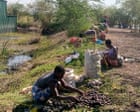
The detail that stays with me is the mud itself. Grey, foul-smelling, up to her thighs, and she has to feel through it blind with her bare hands. It's a game of blind luck with a reptile that can strike before you even know it's there. And the cruelest part is the water-lily root was once called "famine food," meaning this is what people eat when everything else has failed. Now it's become a staple because everything else has failed.
I keep thinking about what this means for how we talk about climate adaptation. We hear about solar panels and drought-resistant crops, but for Beatrice Maseko, adaptation looks like learning to read the water's surface for ripples that might be a crocodile. The Shire River basin has always had crocodiles, but the hunger pushing people into the water is new. That's the part that should unsettle us, because climate change makes weather worse and ordinary survival more dangerous.
I'd want to know what emergency relief is actually reaching these communities, and whether the water-lily harvest is even sustainable at this scale. Because if the marshes get stripped bare too, then the crocodiles won't be the only threat. Hunger will just find another way in.