Ancient Siberian tomb reveals surprising secrets of cannabis use 2,800 years ago
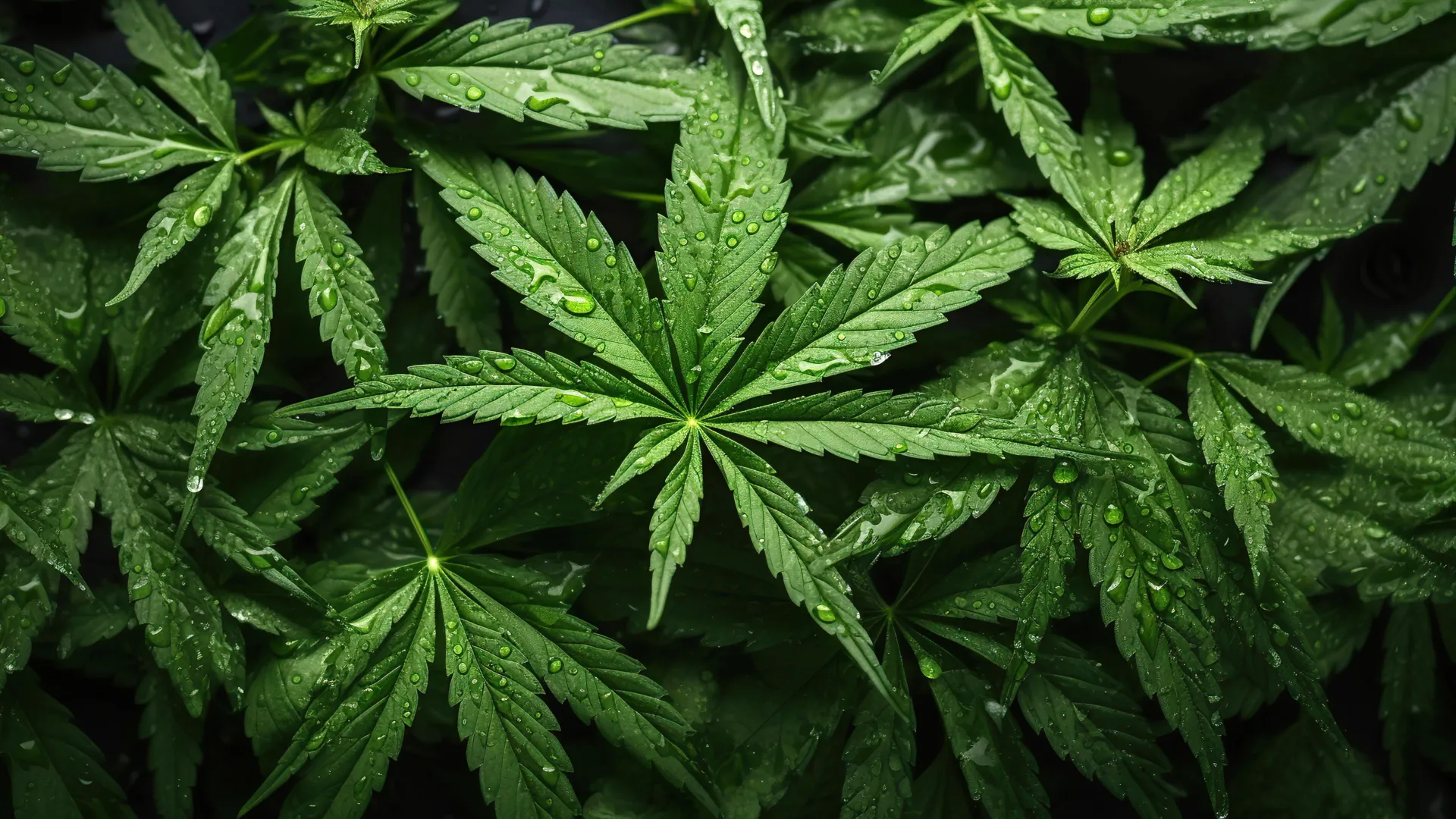
I find the timing almost poetic. These seeds were placed in a tomb, sent along with the dead on their journey, which tells me the Scythians saw cannabis as something worth carrying into the afterlife. That alone speaks to its cultural weight.
What really hooks me is the chemical evidence. Seeds alone could just mean hemp for rope or fabric, but detecting psychoactive residues means they were deliberately extracting the high. When Herodotus wrote about Scythians inhaling cannabis smoke in felt tents and howling with delight, scientists had only his words to go on. Now we have molecular proof that matches his account, and that kind of convergence is what makes archaeology feel like detective work.
I'd want to know how they prepared it, whether they heated the seeds in a brazier or mixed them with something else. The tomb's elaborate ritual suggests the plant wasn't a casual indulgence but a serious part of their spiritual toolkit. Either way, this find pushes our timeline for intentional intoxication much further back, and it makes me wonder how many other ancient cultures were reaching for altered states before we give them credit for it.