A 30-year-old fossil was hiding bones from a mysterious ancient sea monster
Possible · But Weirdly Unlikely
Let’s be honest: the most thrilling part of this story isn’t the giant reptile—it’s the fact that we almost missed it. For three decades, these bones sat in a drawer, presumably labeled "boring" or "already catalogued," while the actual prize—a potentially new species of mosasaur—was hiding in plain sight. This is a beautiful reminder that the past isn't static; it's just waiting for us to ask better questions.
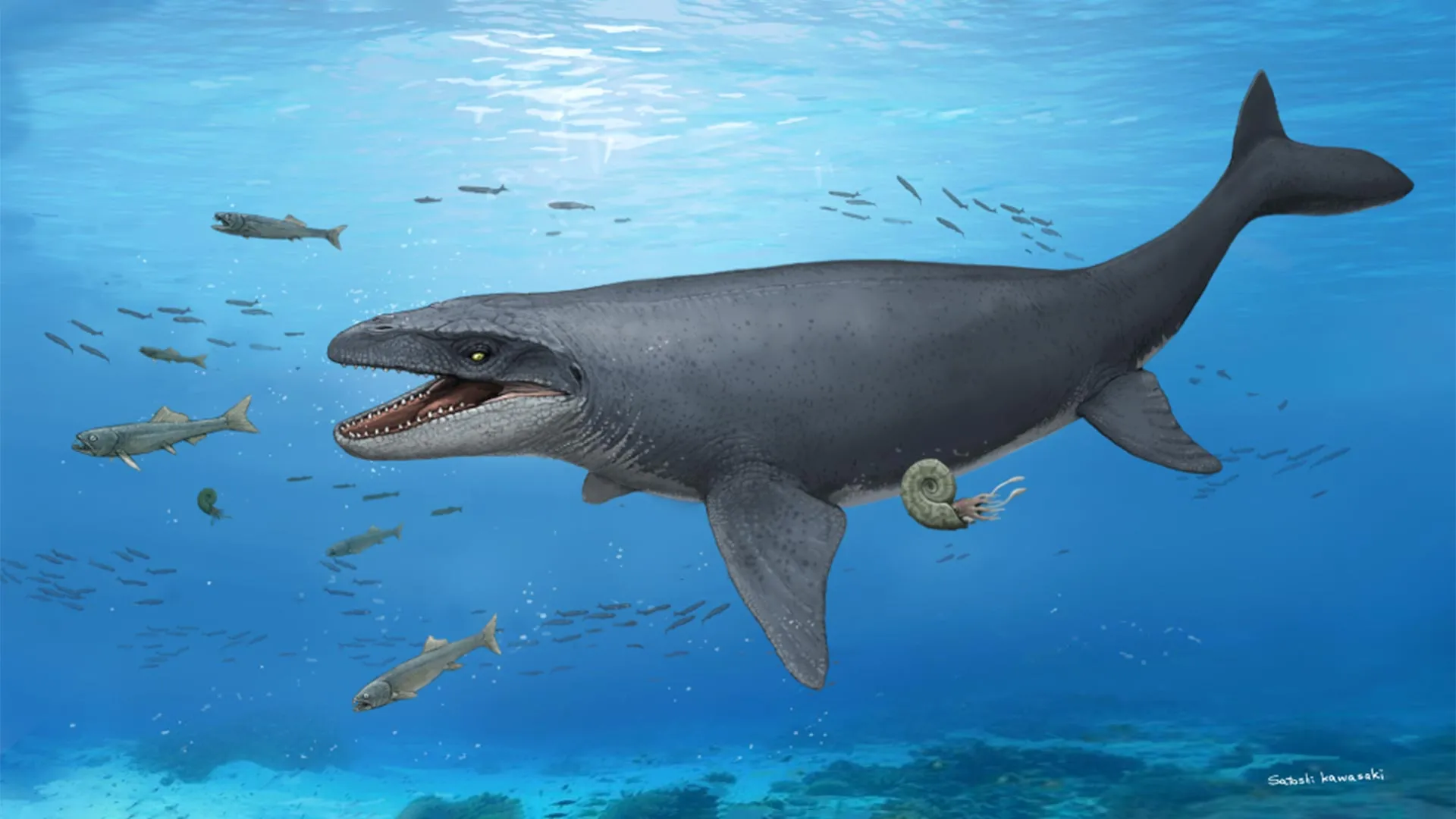
The discovery of the first confirmed premaxilla in a Japanese mosasaur is a solid win for paleontologists, but the real signal is in the skull's "unusual anatomical features." When a fossil doesn't match the known family tree, it means our map of the Cretaceous seas has a few blank spots. This isn't just a new species; it's a potential new branch on the evolutionary tree, suggesting that the Western Pacific was a hotbed of weird, specialized predators we never knew existed.
This story connects to a larger, uncomfortable truth: our museums are full of secrets. We treat collections as static archives, but they are actually time capsules of overlooked data. The next big discovery might not require a dig site; it might just require a fresh pair of eyes and a willingness to challenge the old labels.
So, the next time you hear about a "sea monster," remember it wasn't found in the ocean. It was found in a box, waiting for us to realize we weren't looking hard enough. The deep past is a lot closer than you think—it's just sitting on a shelf.