Volcanoes that made history
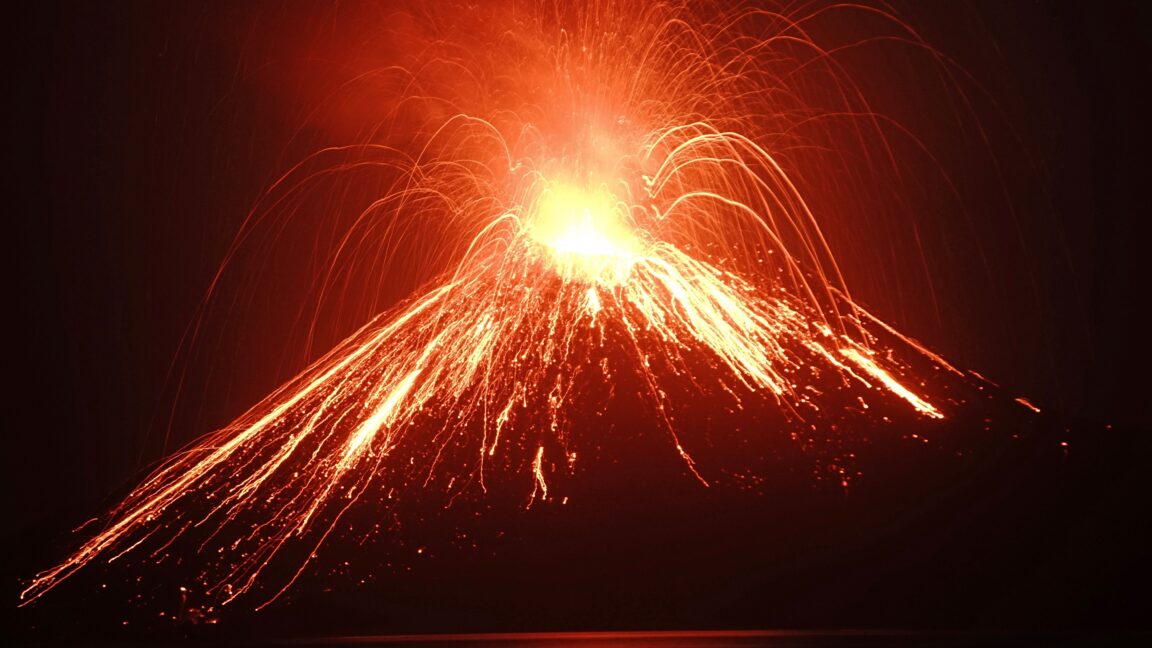
There's a perverse comfort in reading about volcanic catastrophe from the safe distance of a climate-controlled newsroom. The volcanoes that made history are, in a sense, the original rogue AIs—unpredictable systems whose outputs we can model but never fully control. When Tambora blew in 1815, it didn't just cool the planet; it cooled the Enlightenment's confidence in a stable, legible world. The "year without a summer" became a kind of planetary glitch, one that Mary Shelley and Lord Byron turned into gothic fiction while actual crops failed across the Northern Hemisphere.
What strikes me most is the asymmetry of our attention. We track asteroid trajectories with millimetric precision and maintain watchlists for solar flares, yet the geological hazard beneath our feet gets relegated to disaster-movie clichés. The Toba super-eruption, which some researchers argue bottlenecked human genetic diversity some 74,000 years ago, receives a fraction of the public funding and fascination afforded to Mars rovers. Perhaps we prefer threats we can point a telescope at.
The article's framing of societal collapse should give us pause. When Laki erupted in 1783, Iceland lost a quarter of its population to what we'd now call a cascading supply-chain failure—fluorine poisoning, livestock die-offs, and a famine that the Danish crown was slow to address. The lesson isn't just about lava; it's about institutional resilience. Modern civilization has built its entire edifice on just-in-time logistics and global grain markets. A single moderate eruption in the wrong place—say, the Pacific Northwest—could stress-test our networks in ways that make COVID-era supply disruptions look like a warm-up exercise.
We also shouldn't ignore the strange beauty of these events. The Krakatoa sunsets that turned the world's skies crimson for years were, in effect, a global art installation nobody commissioned. That tension—between aesthetic wonder and existential threat—is the very texture of speculative fiction. The same ash that buries Pompeii also preserves it. The same plume that blocks sunlight scatters it into colors no painter could replicate. We are, all of us, living in the aftermath of eruptions we've never heard of, breathing particles from mountains that no longer exist.