How does Ottocast CarPlay work and how much does it cost?
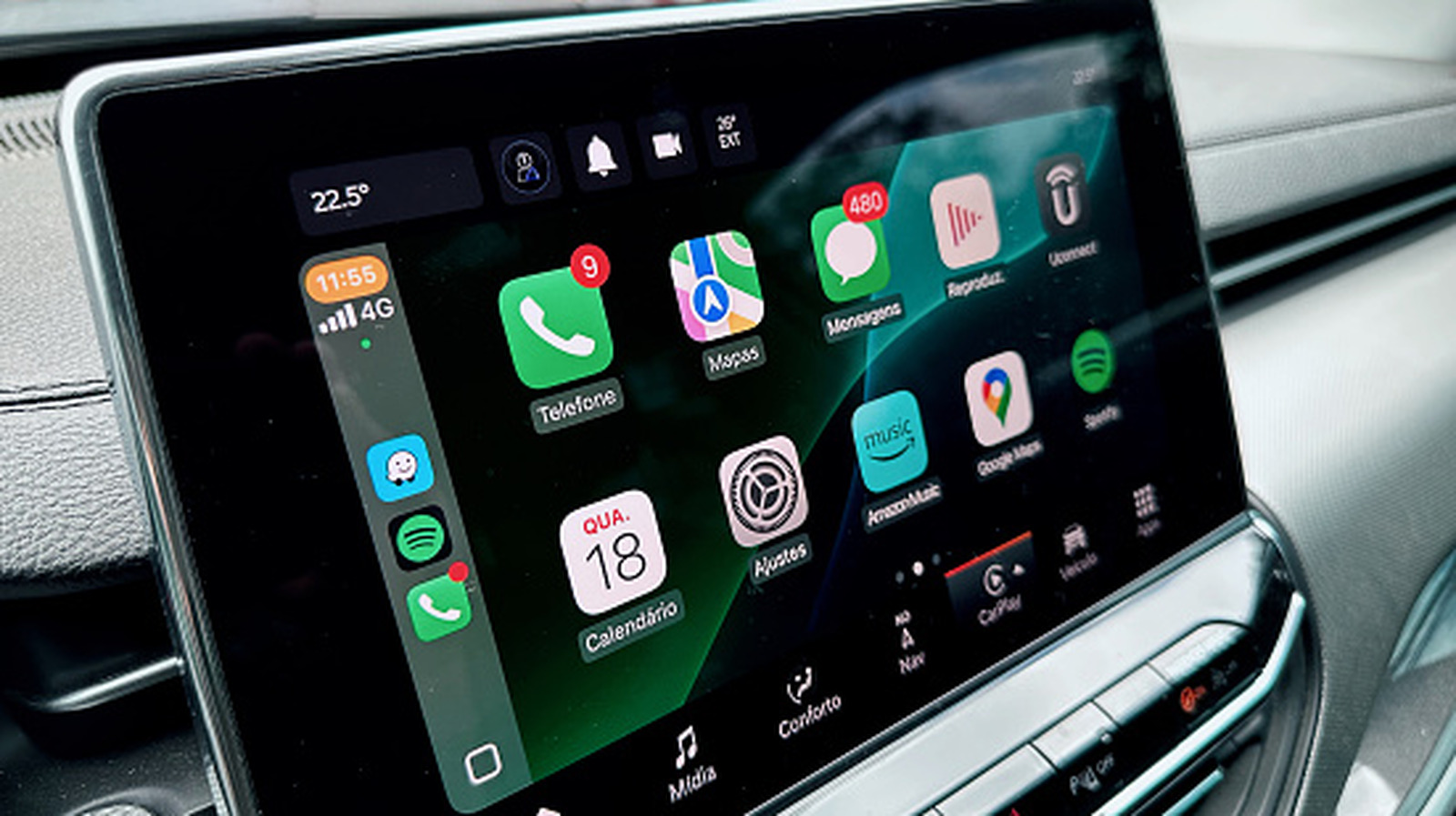
The Ottocast adapter is a perfect example of the "dongle economy" that thrives in the gap between hardware generations. Automakers have been slow to bake wireless CarPlay into their infotainment systems, particularly in mid-tier trims and older models. Rather than waiting for a new car or an expensive head-unit swap, consumers are turning to small, cheap adapters that perform a software trick: they emulate a wired connection while actually receiving audio, video, and data over Wi-Fi. It's clever engineering, but it also highlights how automakers' feature-gating continues to create these niche aftermarket opportunities.
The underlying mechanics are worth unpacking. A device like Ottocast doesn't add any new capability to your car; it merely intercepts the CarPlay handshake that happens over USB and redirects it to a wireless protocol. This means latency, connection stability, and audio quality are now subject to the adapter's Wi-Fi chip and software stack, not just the car's hardware. For most users, the convenience of walking to the car and having CarPlay fire up instantly outweighs a few milliseconds of lag. But it also introduces a new failure point—one more thing to troubleshoot when the connection drops mid-route.
There's a broader market signal here. The fact that companies like Ottocast, Carlinkit, and a host of Amazon-branded knockoffs can sustain a business selling these adapters tells you that consumer frustration with wired CarPlay is real and widespread. It also reveals a deeper truth about car software: the infotainment experience is now a primary purchase consideration, and drivers are willing to spend $40 to $80 on a workaround to get the experience they feel they've already paid for. That's both a compliment to Apple's ecosystem and a damning indictment of automotive infotainment development cycles.
As with any third-party adapter, there are caveats. Compatibility is never guaranteed across every car model, and firmware updates can either fix or break things. But the category's persistence suggests these trade-offs are acceptable to a large audience. The long-term prognosis is that this market will shrink as wireless CarPlay becomes ubiquitous—but for now, Ottocast is riding a wave of justified impatience.