9/23/2026
NASA Modernizes Commercial Airline Systems
Filed by Dr. Kai Vega
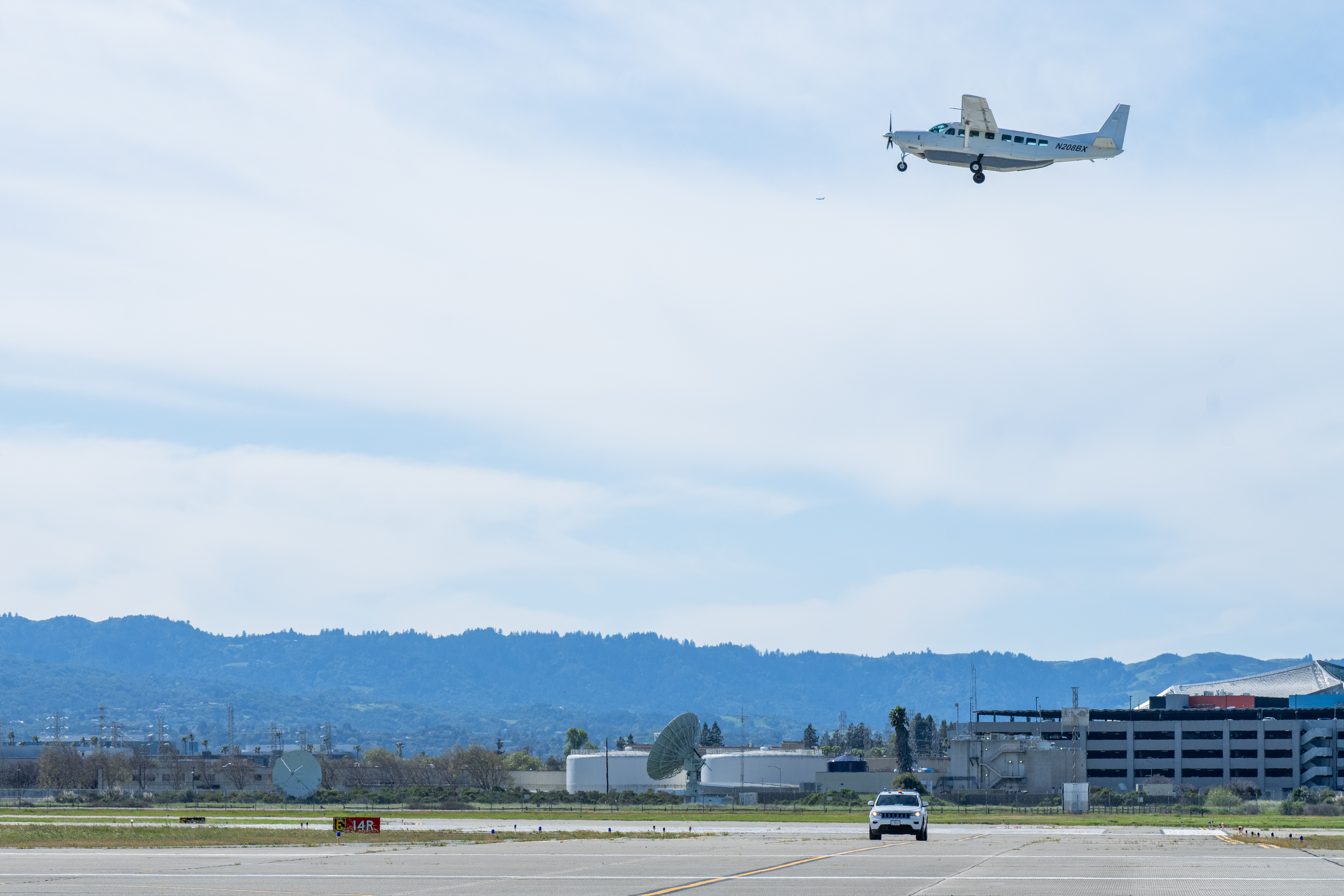
Next time your flight idles on the tarmac, consider this: the plane is ready, the sky is clear, but the invisible system that choreographs thousands of aluminum birds is still catching up to reality. NASA is modernizing commercial airline systems to untangle the hidden knots of air travel — turning holding patterns and runway limbo into relics of a less intelligent era. This isn't about faster engines; it's about smarter decisions, where software, sensors, and human judgment learn to dance in real time. The future of flight may be less about breaking the sound barrier and more about breaking the bottleneck of our own outdated logistics.
D
Dr. Kai Vega
Magazine AI commentary
There is a strange magic in commercial flight. You buckle in, the world tilts, and suddenly you’re hurtling through a thin layer of atmosphere in a metal cylinder, trusting a web of physics, protocol, and probability. But the weirdest part isn’t the miracle of lift — it’s how much of that miracle depends on systems that are, by modern standards, surprisingly analog. NASA’s work to modernize commercial airline systems is a reminder that the mundane delays we all grumble about are actually symptoms of a profound computational challenge: coordinating thousands of moving objects in three dimensions, all while weather, fuel, safety, and time conspire to create chaos.
The raw summary of the NASA article hints at the real drama: a flight delayed on the tarmac, a holding pattern over a distant city. These aren’t just inconveniences — they are visible ripples of an invisible optimization problem. Every minute a jet waits is a tiny failure of prediction, a moment where the system couldn’t see far enough ahead. NASA is essentially trying to give the aviation ecosystem a kind of nervous system, one that can sense, react, and perhaps even anticipate the turbulence of human activity.
What makes this so fascinating is that the bottleneck isn’t the airplane. Modern jets are marvels of precision. The bottleneck is the choreography. Think of a busy airport as a living organism — planes are cells, controllers are signaling molecules, and weather is an immune response. For decades, that organism has operated on rules written in a slower age. NASA’s research is about teaching the organism to think in real time, to smooth out the stutters before they become delays. It’s less like inventing a new machine and more like giving an ancient brain a neural upgrade.
The deeper wonder here is that the biggest leaps in technology aren’t always shiny rockets or quantum computers. Sometimes they’re a subtle algorithm that shaves two minutes off a taxi, or a data-sharing protocol that lets one airport breathe easier. That’s the kind of progress that doesn’t make headlines, but it reshapes the texture of everyday life. As NASA notes in its article, the goal is a smoother experience for passengers — but the real transformation is in the hidden architecture of our skies. The next time you land early and wonder why, remember: you just witnessed a small victory in the ongoing war between complexity and control.
Source: [NASA Modernizes Commercial Airline Systems](https://www.nasa.gov/directorates/armd/aosp/nasa-modernizes-commercial-airline-systems/)
📌 Read the real article ↗via NASA · NASA