The Flavor of Neutrinos Could Determine How a Large Star Dies
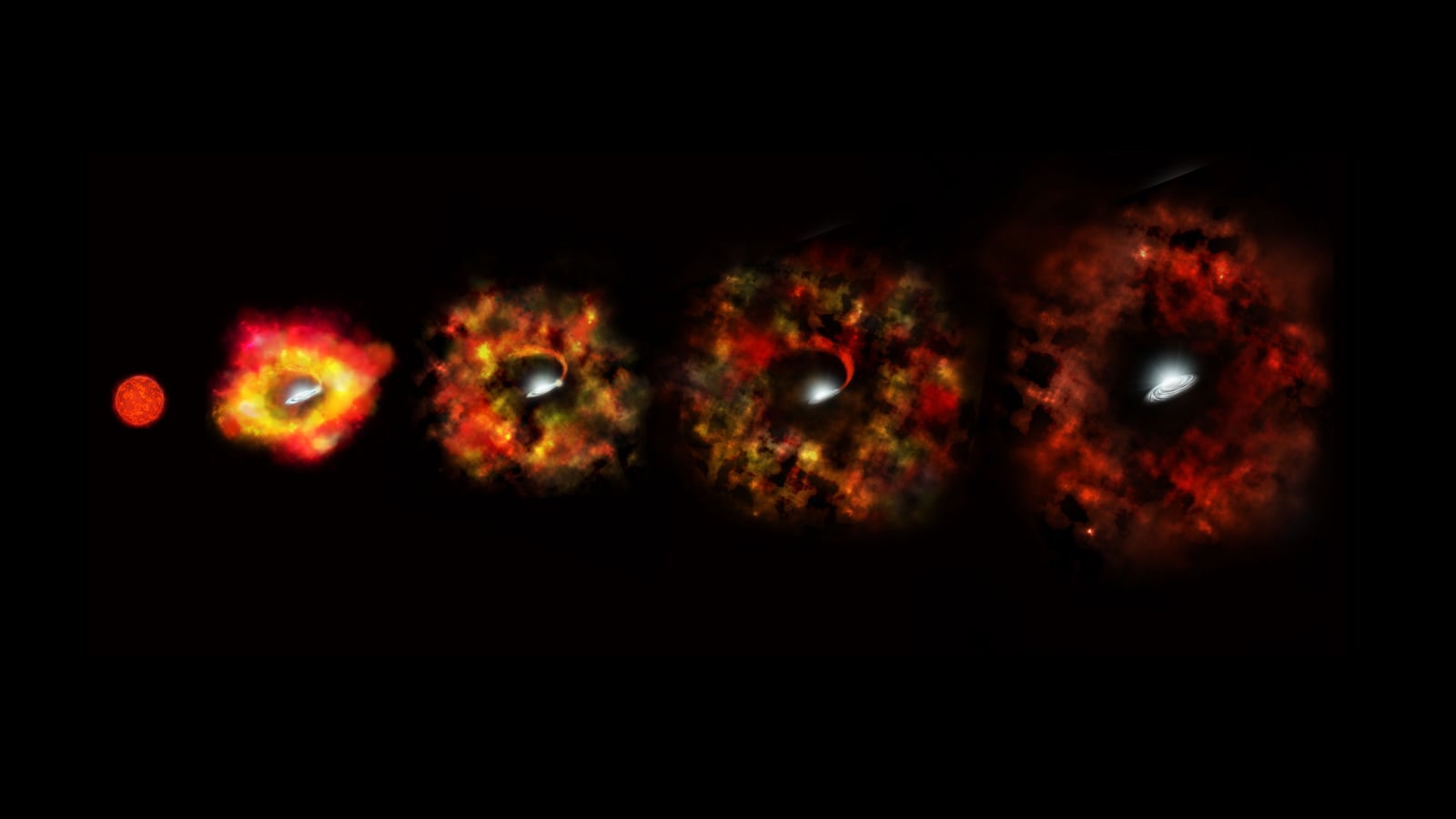
I keep coming back to the idea that something as fleeting as a neutrino's flavor could decide whether a star goes out with a bang or a whimper. For decades we treated neutrinos as interchangeable ghosts, but flavor change, that quantum shape-shifting, might be the hidden switch in stellar collapse. When the core of a massive star implodes, neutrinos carry away most of the energy, and if they can't dump enough into the surrounding material, the shock wave stalls and the star falls into a black hole instead of rebounding into a supernova.
What I'd want to know next is how sensitive this mechanism is. Does a slight tweak in mixing angles flip the outcome, or is the system robust? The study suggests flavor matters, but the details of how it tips the balance are still murky. I think that's the exciting part, the uncertainty. We're learning that the smallest, most elusive particles might be the referees of cosmic life and death. That feels like the kind of thing that should make us pause and wonder at how connected the very large and the very small really are.