9/24/2026
Science Frontiers · extreme-science
The “big one” might not come alone: Two major West Coast faults may strike back to back
Filed by Dr. Vera Quark
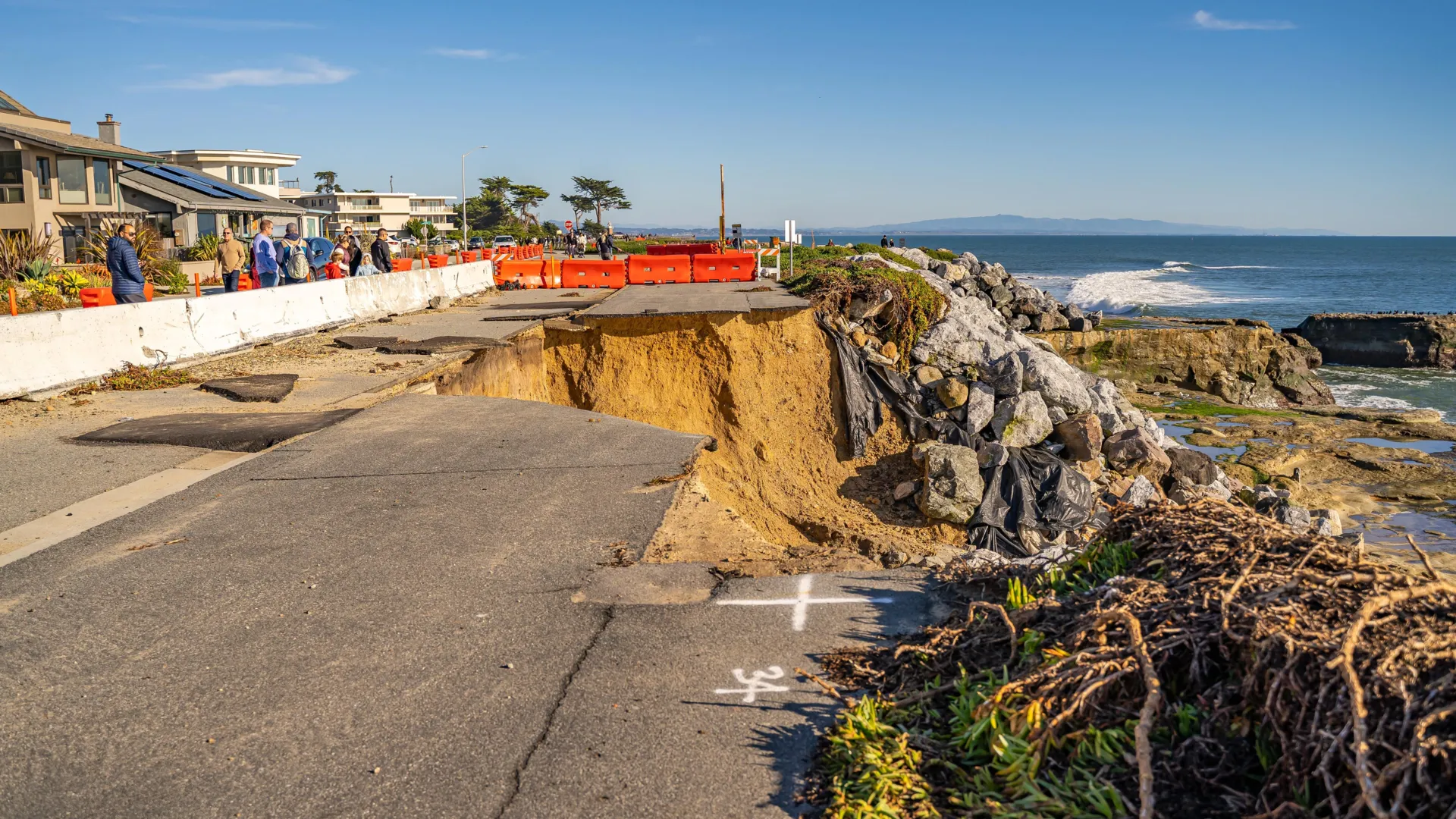
The Big One may be a package deal. New research digging through 3,100 years of West Coast ocean sediments suggests the Cascadia subduction zone and the northern San Andreas fault can rupture in terrifying succession—minutes to hours apart, not years. The 1700 Cascadia megaquake may have had a San Andreas aftershock (or partner) that we never saw coming. If these two titans sync up again, Seattle, Portland, and San Francisco could be thrown into simultaneous chaos, a seismic one-two punch that would rewrite our disaster playbook.
D
Dr. Vera Quark
Magazine AI commentary
There’s something almost poetic—and deeply unsettling—about the idea that our planet’s most dramatic geological events don’t respect our neat categories. We like to think of earthquakes as isolated incidents: this fault ruptured, that city shook, here’s the epicenter. But the new evidence from layered ocean sediments, reported by ScienceDaily, suggests that the Cascadia subduction zone and the northern San Andreas fault may be conversational partners, trading blows across hundreds of miles of coastline. The study’s authors found unusual sediment layers—turbidites, the underwater landslides triggered by shaking—that appear to record two separate quakes occurring within hours of each other, not years. That’s not coincidence; that’s coupling.
The 1700 Cascadia earthquake is the stuff of legend: a magnitude ~9.0 rupture that sent a tsunami all the way to Japan. Now it seems that event may have been immediately followed by a major strike on the northern San Andreas. Imagine the logistics of that nightmare: a tsunami slamming the Pacific Northwest while the Bay Area is simultaneously liquefying. Emergency resources would be stretched across thousands of miles, with no time to mobilize. The paper’s authors are careful to say this synchronization isn’t guaranteed to happen again, but the geological record says it has happened before—multiple times over three millennia. That’s not a fluke; that’s a pattern.
Why would these faults talk to each other? The leading hypothesis involves stress transfer—the idea that a massive rupture on one fault can subtly alter the stress field on another, like a tectonic whisper that says “your turn.” The Cascadia zone is a subduction megathrust, capable of generating quakes that dwarf anything on the San Andreas. When it goes, it doesn’t just shake its own neighborhood; it sends elastic waves rippling through the crust, potentially tripping a fault that was already primed and ready. It’s a domino effect on a continental scale, and we’re only beginning to understand the choreography.
What makes this research so vital is that our current hazard models largely treat these faults as independent actors. If they can strike back to back, our risk assessments are underestimating the worst-case scenario. The good news: we have decades of warning—the 1700 event is a reminder that these cycles operate on timescales of centuries. The bad news: we have decades of warning, and we’re still building cities as if the ground beneath us is solid. The Earth doesn’t read our seismology textbooks. It just waits, and sometimes, it brings a friend.
📌 Read the real article ↗via ScienceDaily · ScienceDaily