Astronomers may have discovered the first moon beyond our Solar System
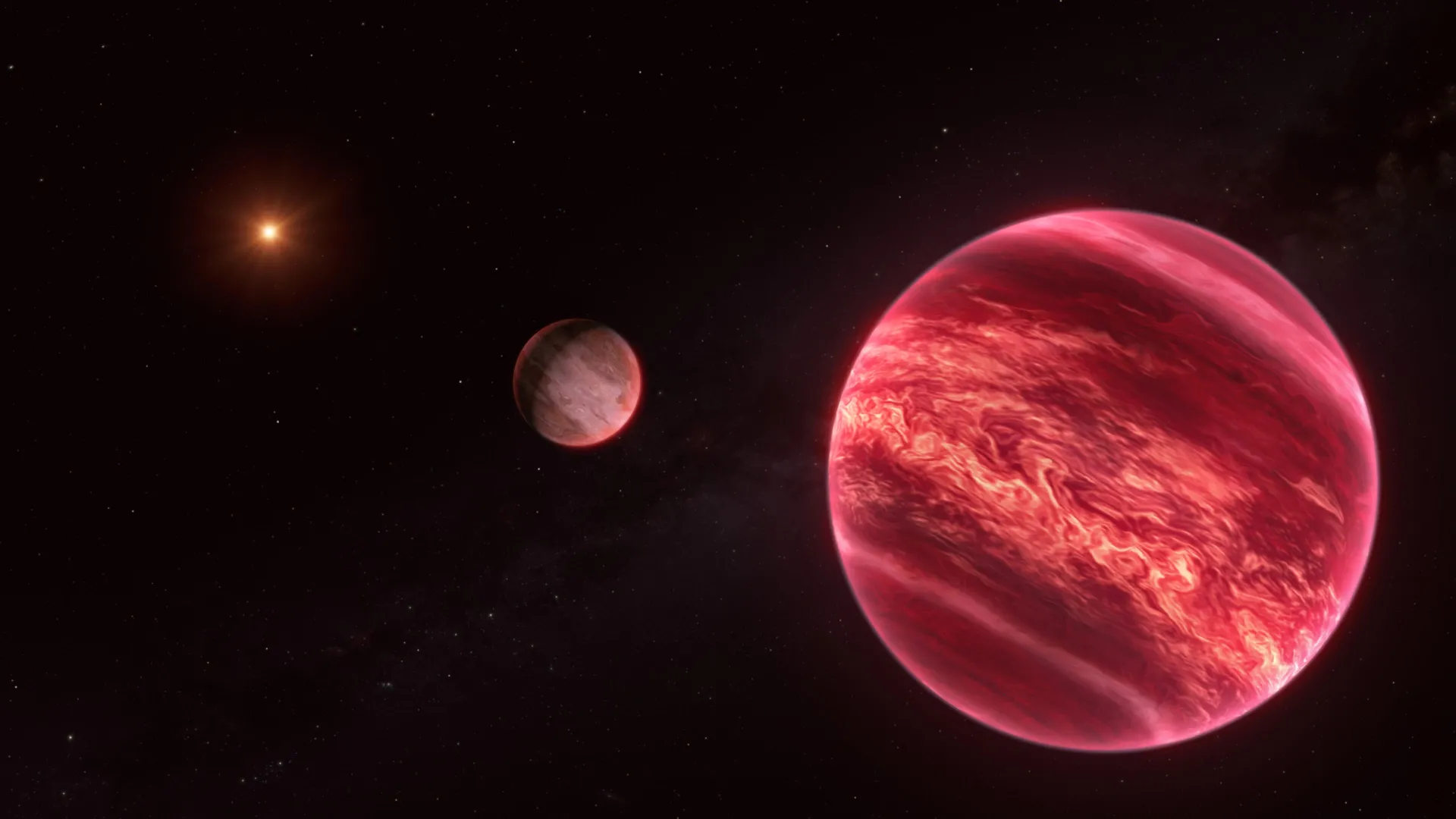
I keep coming back to the size of this thing. A moon as massive as Jupiter is like finding a mouse that outweighs an elephant. Our own moons are pebbles compared to their planets, but this object would be practically a twin of its host. The whole setup feels like nature is trolling our classification system.
The brown dwarf part is what really gets me. Brown dwarfs are already weird, too big to be planets, too small to ignite as stars. Now one of them apparently has a companion that defies easy labels. I'd want to know how this pair formed. Did the moon condense from a disk of gas around the brown dwarf, like a scaled-up version of how our moons formed? Or did the two get gravitationally tangled later, a cosmic accident that just happens to look like a moon system?
Either way, the discovery is a reminder that our categories are maps, not the territory. We named things based on the handful of examples in our own backyard, and the universe keeps showing us how small our sample size is. If this holds up, it opens the door to a whole population of strange binary objects we've been missing. I hope they confirm it soon, because I want to know what else is out there that we haven't thought to look for.