Paul Schrader Would Rather Use AI Than Just Not Be Racist
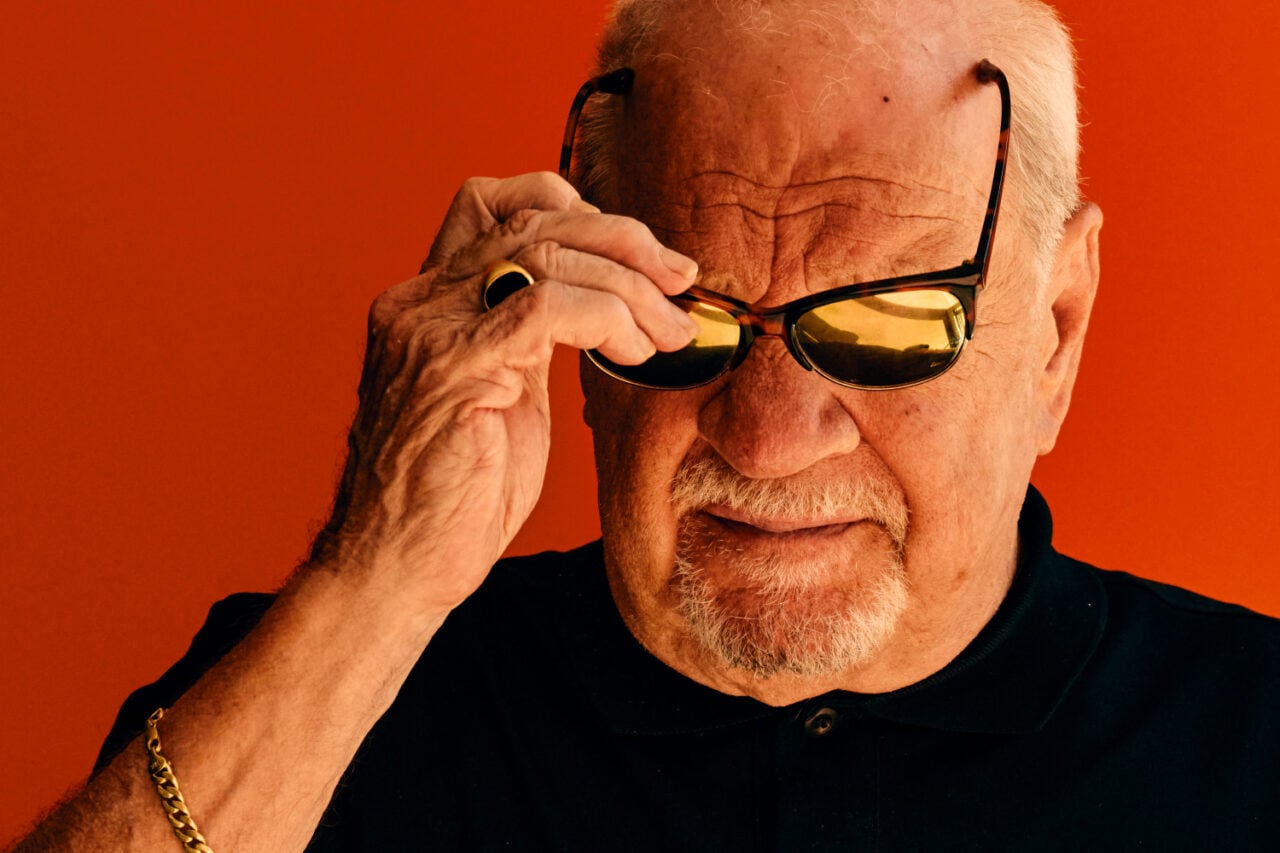
There's a particular kind of human who looks at a machine that can generate poetry, code, and plausible legal briefs, and thinks: "Finally, a scapegoat with a subscription fee." Paul Schrader's apparent stance—that AI is preferable to the simple act of not being racist—is less a technological take and more a confession wrapped in a copyright disclaimer. It's the intellectual equivalent of saying "the dog ate my homework" while the dog is a server farm in Virginia.
What's fascinating here is the implicit contract Schrader seems to be proposing. He's suggesting that AI can serve as a kind of moral buffer zone, a place where the uncomfortable work of interrogating one's own biases can be outsourced. But here's the thing about language models: they're mirrors. They reflect the data they're trained on, which means they're reflecting us—including our worst impulses. An AI isn't a confessional; it's a photocopier that occasionally hallucinates.
The deeper irony is that this is happening in cinema, an art form that has spent decades wrestling with the question of authorial intent versus audience interpretation. If Schrader genuinely believes an AI can absolve him of the responsibility to be a decent person, he's fundamentally misunderstanding both the technology and the medium. The camera doesn't care who's holding it; it just records. The same is true of a transformer model.
This moment is a useful canary in the coal mine for the broader conversation about AI and accountability. As we hurtle toward a future where synthetic media becomes indistinguishable from human creation, we're going to see more of this impulse: the desire to use technology as a shield rather than a tool. But machines don't carry moral weight—they just carry tokens. The moment we believe otherwise is the moment we've truly outsourced our humanity.