Huawei’s Watch D3 Doubles as an Inflatable Blood Pressure Cuff
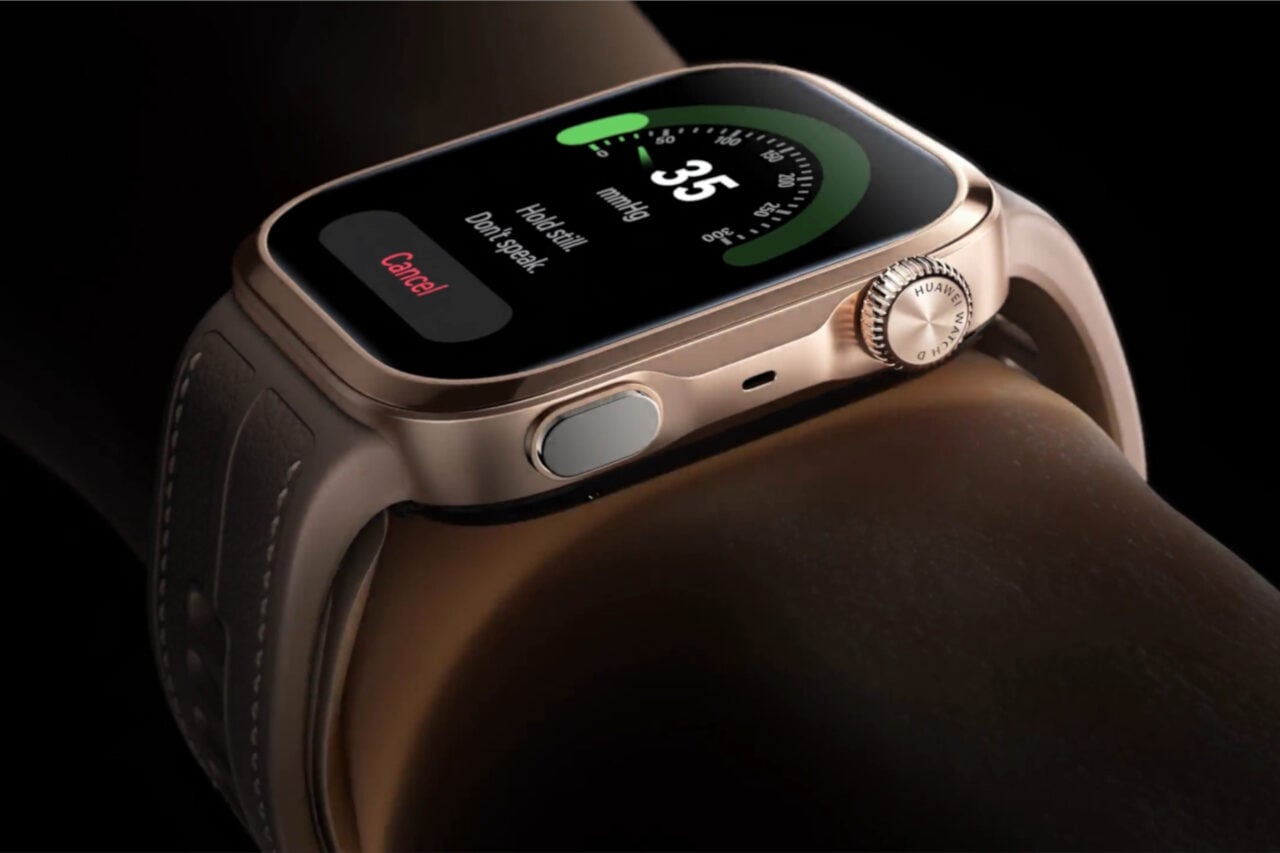
There's something almost anachronistic about an inflatable cuff on a smartwatch. We've grown accustomed to our wearables as passive observers—photoplethysmography sensors reading blood flow through the skin, algorithms guessing at our health from light reflections. The Watch D3, however, reaches back to a more mechanical era of medicine. It tightens, it squeezes, it physically intervenes. In a world of software-defined everything, this is a refreshing reminder that some truths still require a bit of old-fashioned pressure.
This matters because blood pressure is one of those vital signs we've never quite cracked passively. The gold standard has always been the inflatable cuff, and for good reason—it's accurate, repeatable, and clinically validated. By shrinking that mechanism into a wrist-worn form factor, Huawei is doing something more significant than adding a feature. They're making the medical-grade measurement a daily, frictionless ritual. You don't visit the doctor for your blood pressure anymore; you just glance at your wrist.
The broader implication is a shift in the locus of healthcare. For decades, we've been moving diagnostics out of the hospital and into the home. Now we're moving them into the body itself—onto the skin, into the fabric of our daily lives. This raises profound questions about data ownership, self-surveillance, and the quiet anxiety of always knowing. When your watch tells you your blood pressure is elevated at 2 PM on a Tuesday, who does that information belong to? And what does it do to your psyche?
There's also a speculative thread here that Starfall Weekly finds irresistible: the trajectory of wearable medical technology. If today's watch can inflate a cuff, tomorrow's might administer a micro-dose of medication, or flag an arrhythmia before it becomes a crisis, or negotiate directly with your health insurance provider. The Watch D3 is a stepping stone toward a future where our bodies and our devices are in constant, active dialogue—not just passively monitoring, but intervening in real-time. That's a future worth watching closely.