How this summer’s heat and drought impacted crops in Europe – in six charts
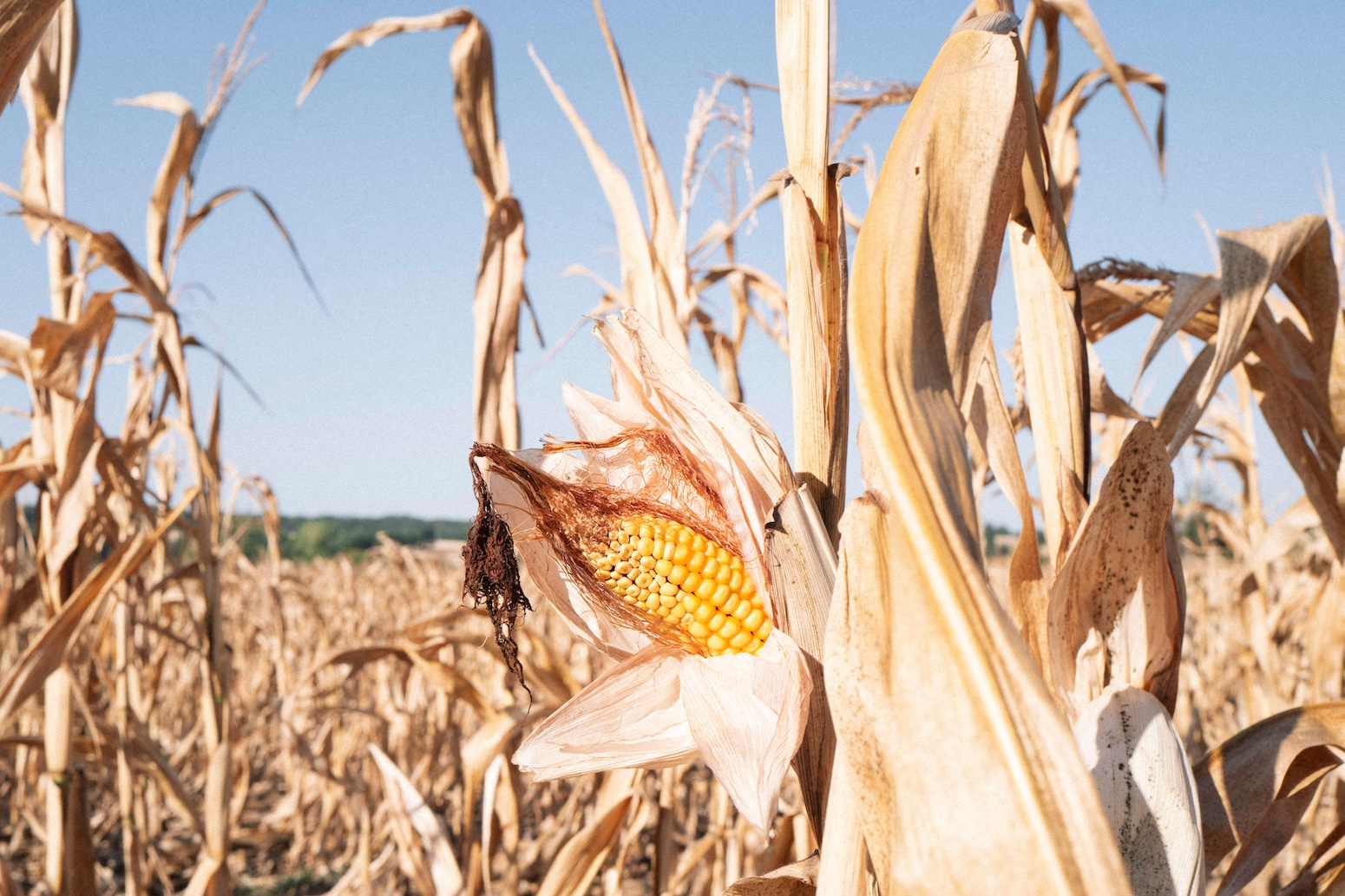
The charts from Carbon Brief paint a picture that is both scientifically precise and viscerally alarming. We are seeing yield reductions that are not marginal, but catastrophic in specific regions, with some crops seeing their productivity slashed by double digits. This is the fingerprint of a warming world, where the statistical odds of such extreme summer conditions have shifted dramatically. It is no longer a question of if these events will happen, but how frequently and how severely they will strike, forcing us to rethink the very geography of what we can grow and where.
This story transcends mere agricultural economics; it is a profound test of our societal resilience. When the harvest fails, it is not just a farmer's loss—it ripples through supply chains, drives up food prices for consumers, and exacerbates geopolitical tensions over food resources. The human cost is immense, from the stress on rural communities to the broader anxiety of food insecurity in a region that has long taken abundance for granted. We are witnessing the slow erosion of a stable baseline that our modern societies were built upon.
What is particularly striking is the compounding nature of these extreme events. The drought does not just parch the soil; it weakens plants, making them more susceptible to pests and diseases, and it depletes water reserves needed for irrigation, creating a cascade of challenges that extend far beyond a single growing season. The charts highlight this interconnectedness, showing how a single summer can have a multi-year impact on groundwater, river levels, and the overall health of our agricultural ecosystems.
The response cannot be a simple call to "adapt." We must engage in a fundamental reimagining of our food systems, investing in drought-resistant crop varieties, more efficient water management, and a transition away from industrial monocultures that are particularly vulnerable to climate shocks. As we report on these findings, we must also hold our policymakers accountable. Decisions made today about emissions reductions and agricultural reform will determine whether these charts represent an anomaly or a grim new normal. The evidence is on the page; the imperative to act is on us.