Scientists release biggest 2D map of the universe
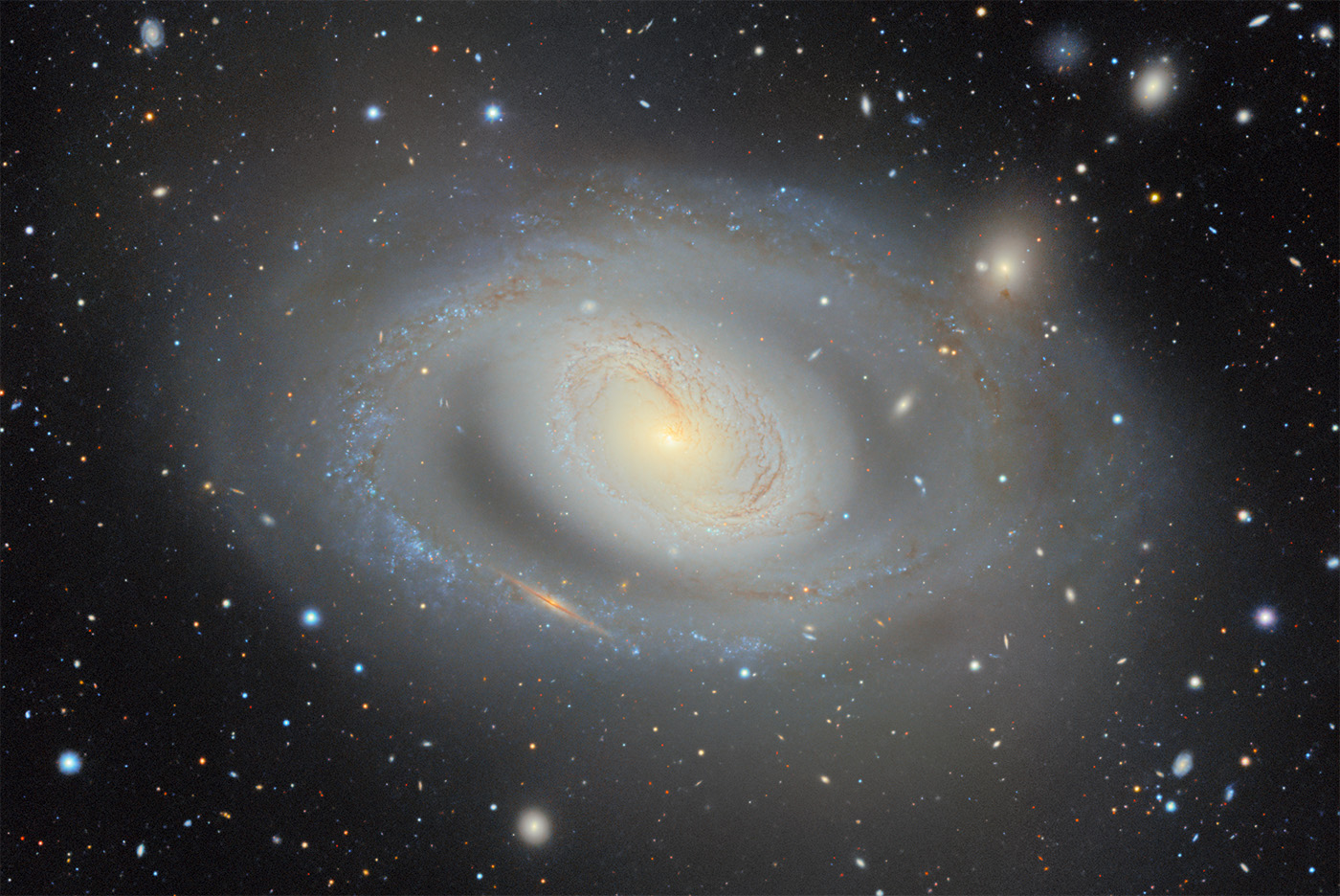
Astronomy has always had a weird (and refreshingly noble) relationship with openness compared to, say, the patent-troll mines of biotech or the walled gardens of commercial software. Surveys like the Legacy Surveys are the original open source: taxpayer-funded telescopes, petabytes of imaging data, and a community that decided the right move was to throw the whole thing onto the internet and let a web-based viewer serve it up. The "biggest 2D map of the universe" headline doesn't do justice to the engineering — just rendering that kind of mosaic over the web is a nontrivial distributed systems problem, and the fact that your laptop can pan through it without a single API key is a quiet flex.
The timing is interesting, too. We've spent the last few years watching AI companies hoover up data and then slap licenses on the derived products. Meanwhile, here's a project that took the opposite tack: publicly funded telescopes, publicly released catalogs, and a viewer built for the public. The contrast is stark and worth shouting about. Open data isn't just a warm fuzzy — it's the foundation that lets a high school kid, a hobbyist, or a HN commenter stumble into actual scientific discovery. Every time an institution makes a dataset this big and this open, they're buying a lottery ticket for serendipity.
Of course, raw openness is only half the battle. Data without tooling is just a heavy download. The Sky Viewer matters because it lowers the barrier from "you need a supercomputer" to "you need a browser tab." That's the same move that made Linux and Git and Wikipedia work: not just releasing the guts, but making the guts usable by default. The Legacy Survey team understands that a map is only as good as the hands that can hold it.
So here's the scoop, folks: the universe just got more publicly viewable, and you don't need a PhD to look at it. Go poke around, find something weird, and remember that the open source ethos isn't just for code — it's for the cosmos.