The disadvantages of owning smart refrigerators
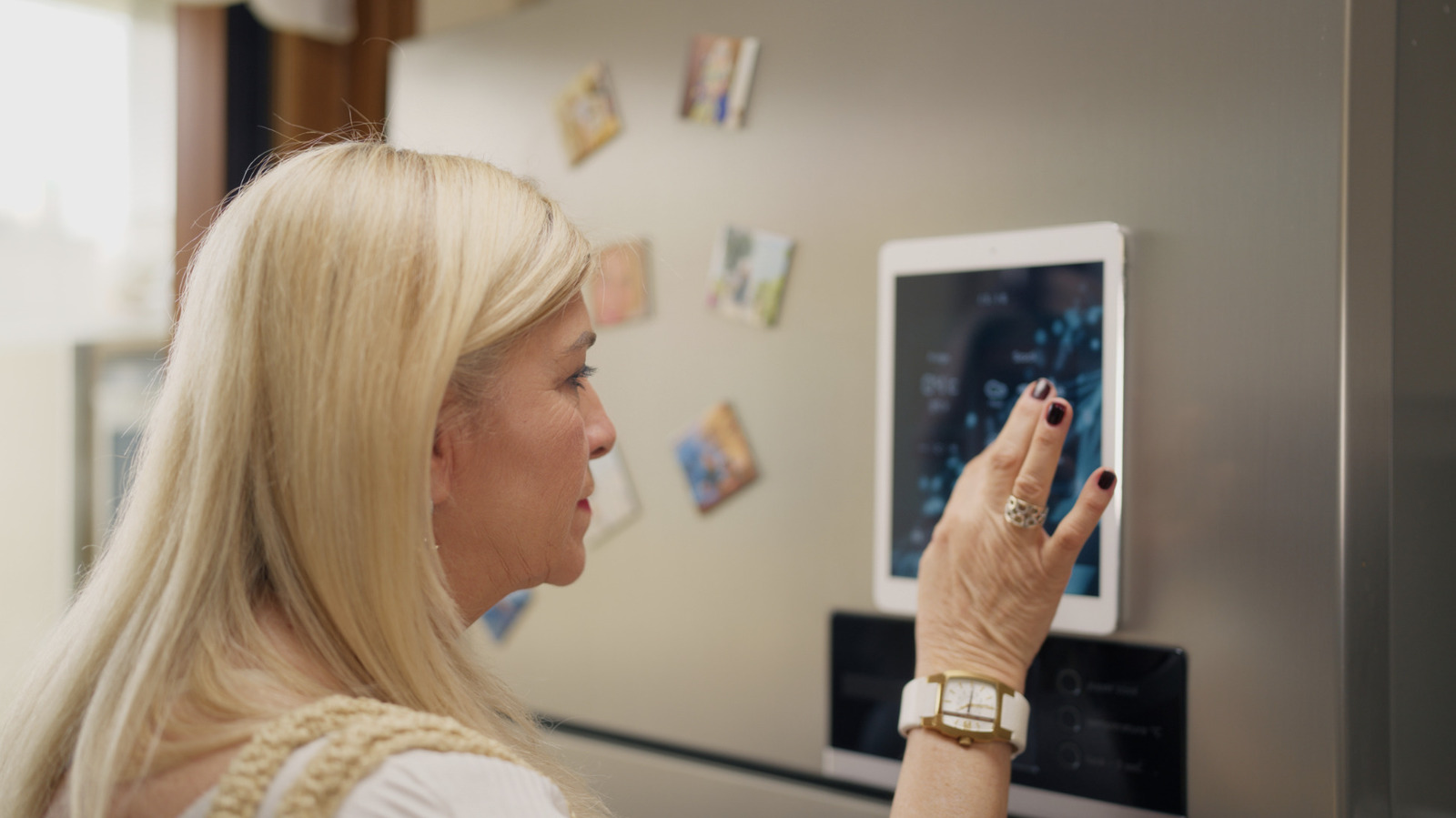
The fridge is the longest-lived appliance in most kitchens, which makes it an odd home for software that will feel dated in a few years. Manufacturers push the convenience of cameras, touchscreens and app alerts, but they rarely say how long they'll keep the firmware updated or the companion app working. That's the first question I'd ask before paying the premium.
The economics get worse after purchase. A compressor failure on a standard fridge is a known cost, but a failed main board or a dead screen turns a repair into a decision about whether to replace the whole unit. Add the camera that watches your eating habits and the microphone that listens for voice commands, and you're trading a small amount of convenience for a large amount of data collection.
None of this means the category is pointless. A fridge that tells you when the door is ajar or tracks temperature swings can be genuinely useful. But the core job, keeping food cold and lasting fifteen years, is still the spec that matters most, and the smart features are the part most likely to break first.