Alabama Seeks to Lower Gas Utility Profits for the First Time in 40 Years
There’s a strange poetry in the fact that the most revolutionary act in energy policy this week wasn’t a fusion breakthrough or a solar panel that bends light—it was a bunch of regulators in Alabama sitting down to do arithmetic. For over 40 years, the allowed rate of return for gas utilities has been treated like a law of physics: immutable, inevitable, and always in favor of the monopolist. But now, the Alabama Public Service Commission is daring to ask the forbidden question: what if the profit isn’t the point?
We often think of the energy grid as a dull, gray infrastructure—pipes and wires buried underground, humming away unnoticed. But it’s actually a living, breathing ecosystem of incentives, power imbalances, and hidden subsidies. Utilities are granted monopolies in exchange for the promise of reliable service, but that social contract has been quietly eroded. The rate of return is the lever that decides who wins: the shareholders or the ratepayers. By considering a reduction, Alabama is poking at the very heart of that bargain, asking whether the public is getting a fair deal from the entities that light their stoves and heat their homes.
This isn't just about gas prices—it’s about the philosophical fissure between private profit and public necessity. In an era of climate urgency, where we’re asking utilities to transition away from fossil fuels, every dollar of profit skimmed off the top is a dollar that could have gone toward modernizing the grid, plugging methane leaks, or subsidizing efficiency for low-income families. The fact that it’s taken 40 years to even have this conversation is a testament to how deeply entrenched the status quo is. It’s like discovering a black hole in your backyard—invisible, but warping everything around it.
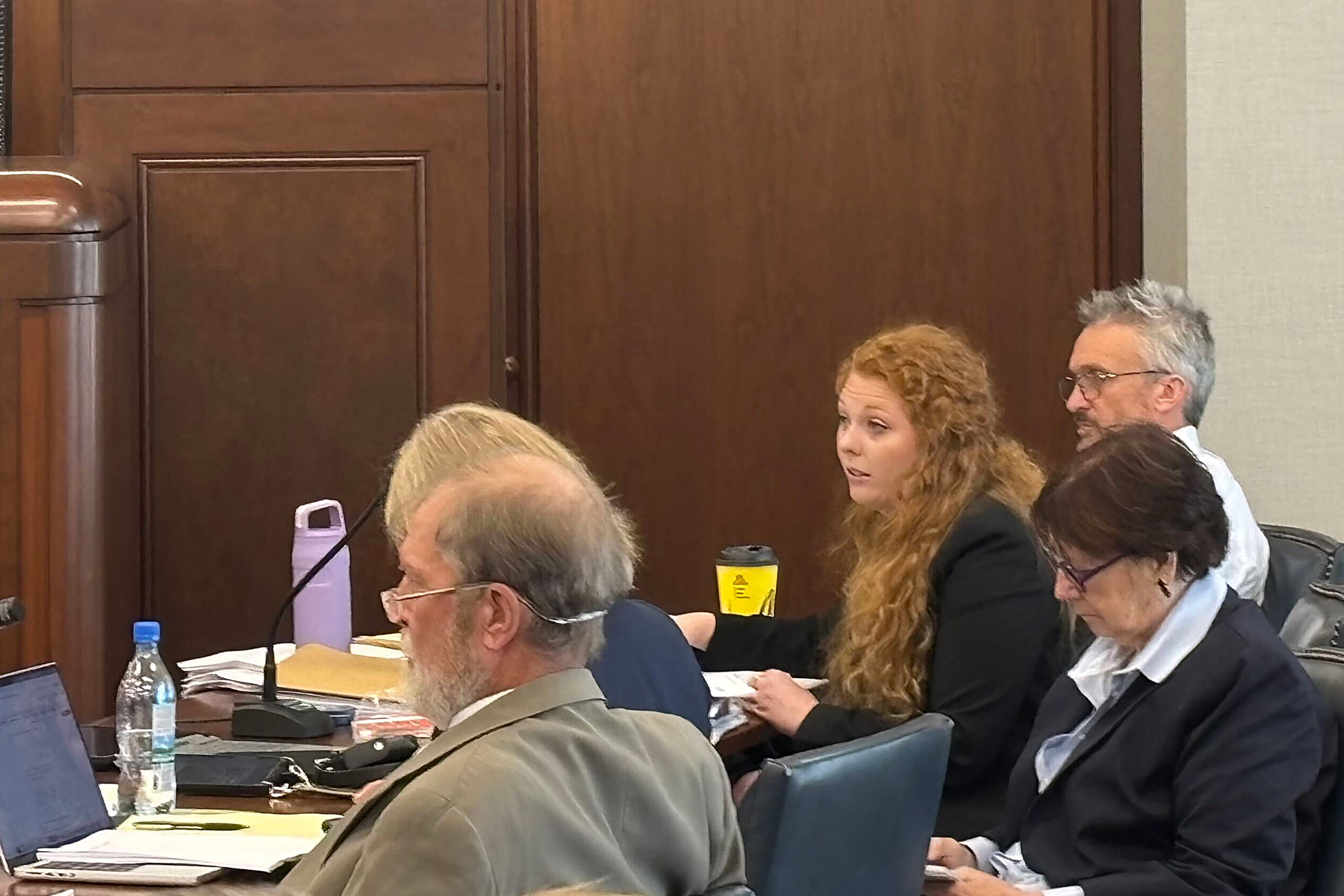
The hearings themselves are a kind of ritual, a dance of numbers and expert testimonies. But what’s really at stake is a narrative shift. If Alabama—a state not exactly known for progressive energy policy—can challenge the profit model, then any state can. It’s a small crack in the edifice, but cracks are where the light gets in. And in a world scrambling to decarbonize, the question of who profits from our energy is the most pressing scientific and social issue of our time.