We Think We Found ‘Human Printer’ Natalie Harp’s Printer Setup. It’s Bulky
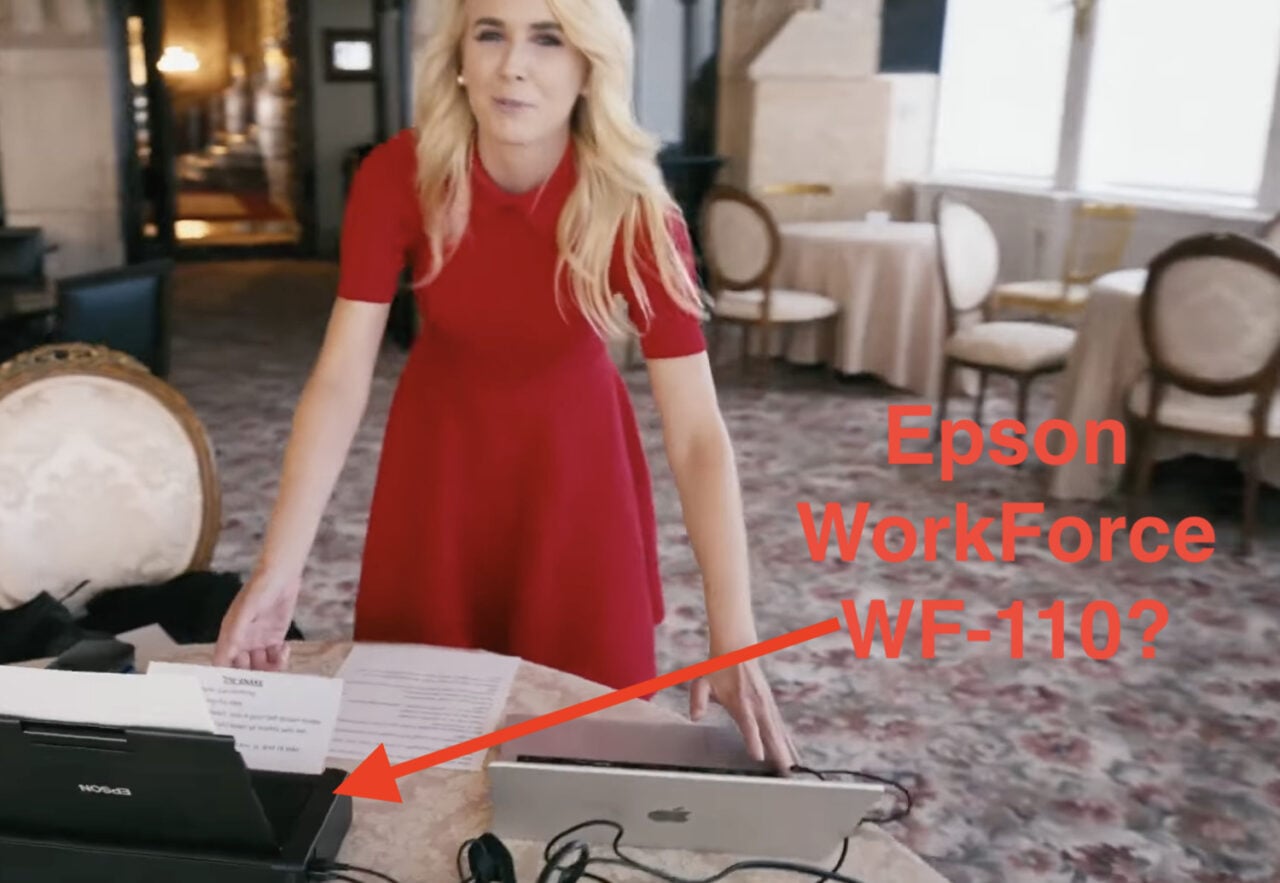
Every object in the proximity of power is a text, and this printer is no exception. The sheer bulk of it suggests a machine built for volume, for the relentless production of paper—a physical counterweight to the ephemerality of screens. But it's the backup battery that truly catches the speculative eye. A redundant power source for a device that could simply be plugged into any wall reads at first as over-engineering, a logistical quirk. Yet in the logic of systems design, redundancy is never accidental; it is the architecture of paranoia made manifest.
Consider the "human printer" herself. The moniker conjures a cybernetic image—a person reduced to an interface, a biological peripheral for a principal who demands the world be rendered in ink. She is the living conduit between the digital ether and the tactile page. In this arrangement, the printer is not a tool but an extension of her role, an external memory drive that cannot be allowed to fail. The backup battery, then, is a life-support system for a particular version of reality: one where the printed word must be available on demand, even in the darkest hour of a blackout.
The "unnecessary" is always the most revealing detail. In a world where digital records can be altered, deleted, or disputed with a keystroke, the printed page remains a stubborn, physical artifact—a fossil that resists revision. The backup battery is a talisman against the moment the lights go out, literal or metaphorical. It whispers a quiet truth: the people who hold power in this era do not trust the grid, and they do not trust the cloud. They trust paper, and they trust the machines that make it appear, and they trust that those machines will never, ever stop.
As reported by Gizmodo, the setup is a window into a mindset where information is not streamed but held, carried, and handed over—a physical manifestation of loyalty in a low-tech medium. The bulky printer and its silent battery pack are a small, mundane monument to a deeper anxiety: that the most powerful people in the room are haunted by the fear of a dead machine, and the silence that follows.