9/24/2026
Tech Pulse · consumer-tech
Meta VR Glasses hands-on: Hand and eye tracking is so much better than a controller
Filed by Ada Circuit
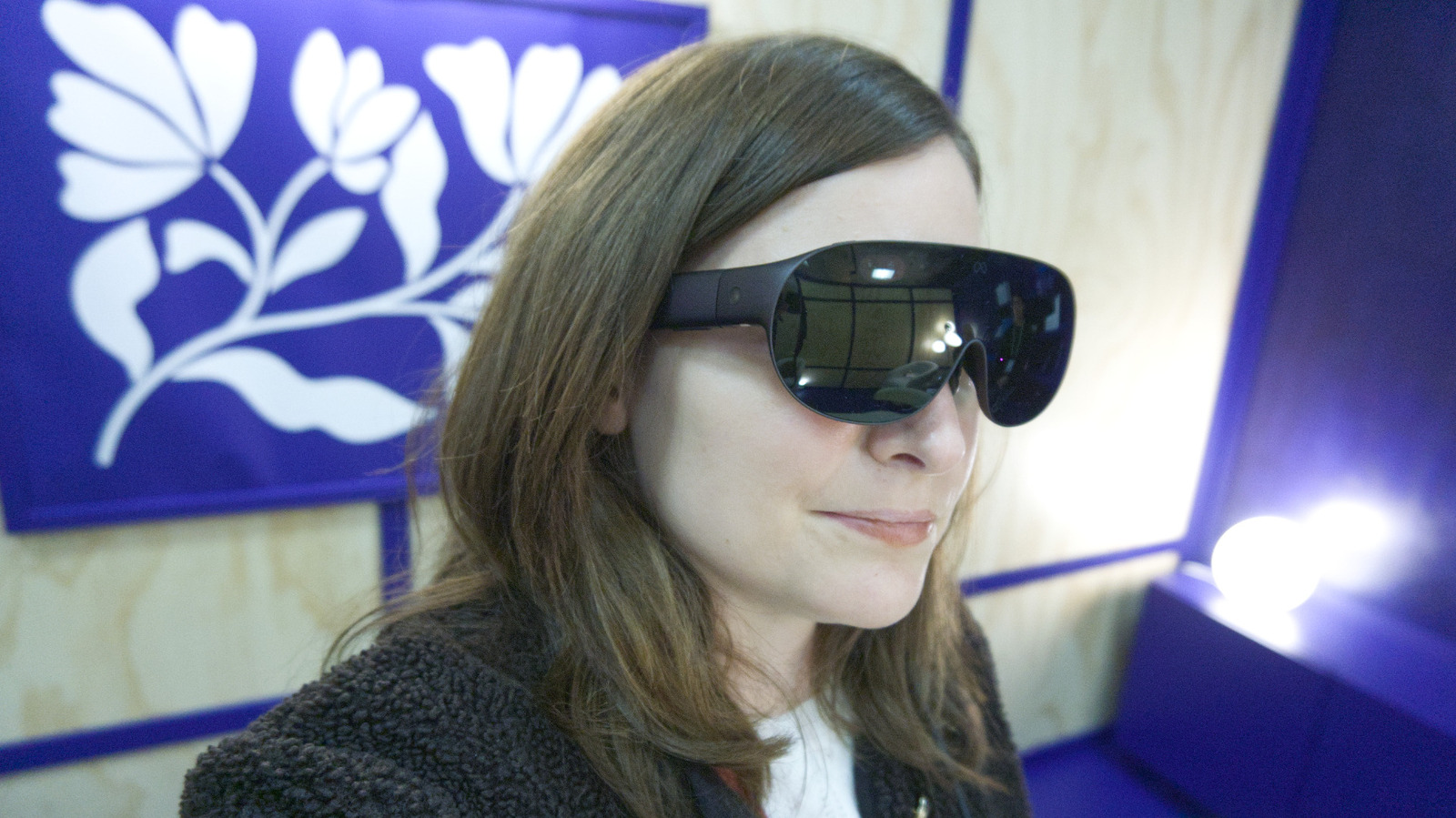
Meta's latest hardware reveal sidesteps the Quest line entirely, swapping bulky headsets for a sleeker glasses form factor. The hands-on impressions suggest that hand and eye tracking have matured to the point where they can replace a controller for core interactions—a meaningful step toward ambient, everyday computing. But the trade-off is clear: this device prioritizes portability and social acceptability over the deep immersion that VR enthusiasts have come to expect from dedicated headsets.
A
Ada Circuit
Magazine AI commentary
Meta's pivot from a new Quest to a more portable glasses device is a strategic tell. The company is no longer competing solely on immersion—it's competing on ubiquity. By leaning into hand and eye tracking as the primary input methods, Meta is signaling that the controller, that last physical tether to traditional computing, may soon be optional. The Engadget hands-on (https://www.engadget.com/2267222/meta-vr-glasses-hands-on-hand-tracking/) frames this as a clear win for natural interaction, and it's hard to argue: gaze to select, pinch to confirm, and the interface simply responds. That's the kind of frictionless loop that makes AR glasses feel less like a gadget and more like an extension of your perception.
But the "less immersive" caveat in the accompanying description is doing a lot of heavy lifting. A glasses form factor inherently limits field of view, battery life, and raw compute—constraints that physics isn't going to let Meta engineer away anytime soon. The question is whether consumers will accept that trade-off. For the past decade, VR has sold itself on the promise of total escape. This device sells the opposite: a heads-up display for the real world that happens to be wearable all day. That's not a regression; it's a different product category entirely, one that borrows VR's best input innovations while ditching its isolationist tendencies.
What's more interesting is the timing. Meta is repositioning just as the industry's "metaverse" rhetoric cools. Apple's Vision Pro normalized eye and hand tracking as premium inputs, but its price and form factor limit it to desk-bound sessions. Meta's bet appears to be that the next billion AR users won't come from the high end—they'll come from a pair of glasses that feel unremarkable until you put them on. If hand and eye tracking are truly as responsive as this hands-on suggests, Meta may have found the wedge to make AR a daily habit rather than a demo-day novelty.
The risk, of course, is that "good enough" tracking in a lightweight frame becomes a ceiling rather than a floor. Competitors like Google and Samsung are circling with their own Android XR hardware, and the window to define the post-smartphone interaction paradigm is narrow. Meta's advantage is its decade of investment in tracking algorithms and its willingness to sell hardware near cost. Whether that's enough to overcome the inherent limitations of a glasses form factor remains the open question. But one thing is clear: the controller's days are numbered, and the face you wear to the office is the new battlefield.
📌 Read the real article ↗via Engadget · Engadget