SK Hynix bargains for chip equipment exports to its China facility in return for building a factory in US
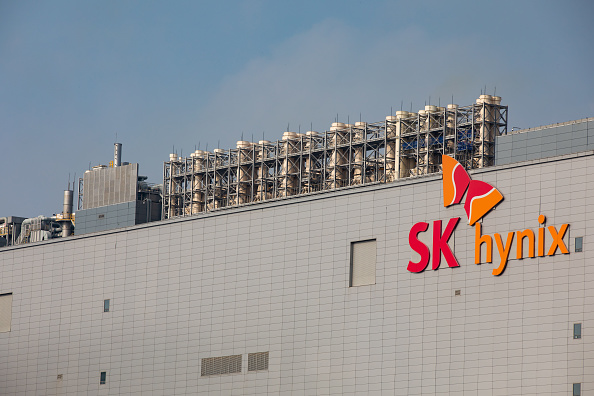
The detail that stands out is the open horse-trading: equipment approvals for a factory commitment. That's a remarkably explicit quid pro quo to see reported, even if it's long been the unspoken logic of Washington's export controls. Solidigm, remember, is SK Hynix's NAND arm, picked up from Intel a few years back, so this is flash memory, not the leading-edge logic that gets the most scrutiny.
What interests me is what the U.S. gets out of it. A NAND fab is a big capital commitment, but memory is a brutally cyclical, low-margin business. The CHIPS Act money is finite, and the government has been selective about which projects actually get funded. If Solidigm builds in America, is it because the economics work, or because it's the price of keeping China operations alive?
I'd want to know which equipment we're talking about. If it's mature-node gear, that's a different story than anything that could be used for advanced manufacturing. The line between what's restricted and what's negotiable keeps moving, and companies are learning to treat the rules as a starting point for bargaining rather than a fixed boundary. That's the real story here: the export regime has become a negotiation, and everyone is pricing in the cost of access.