Every Snowflake Needs a Speck of Dust and So Do Planets
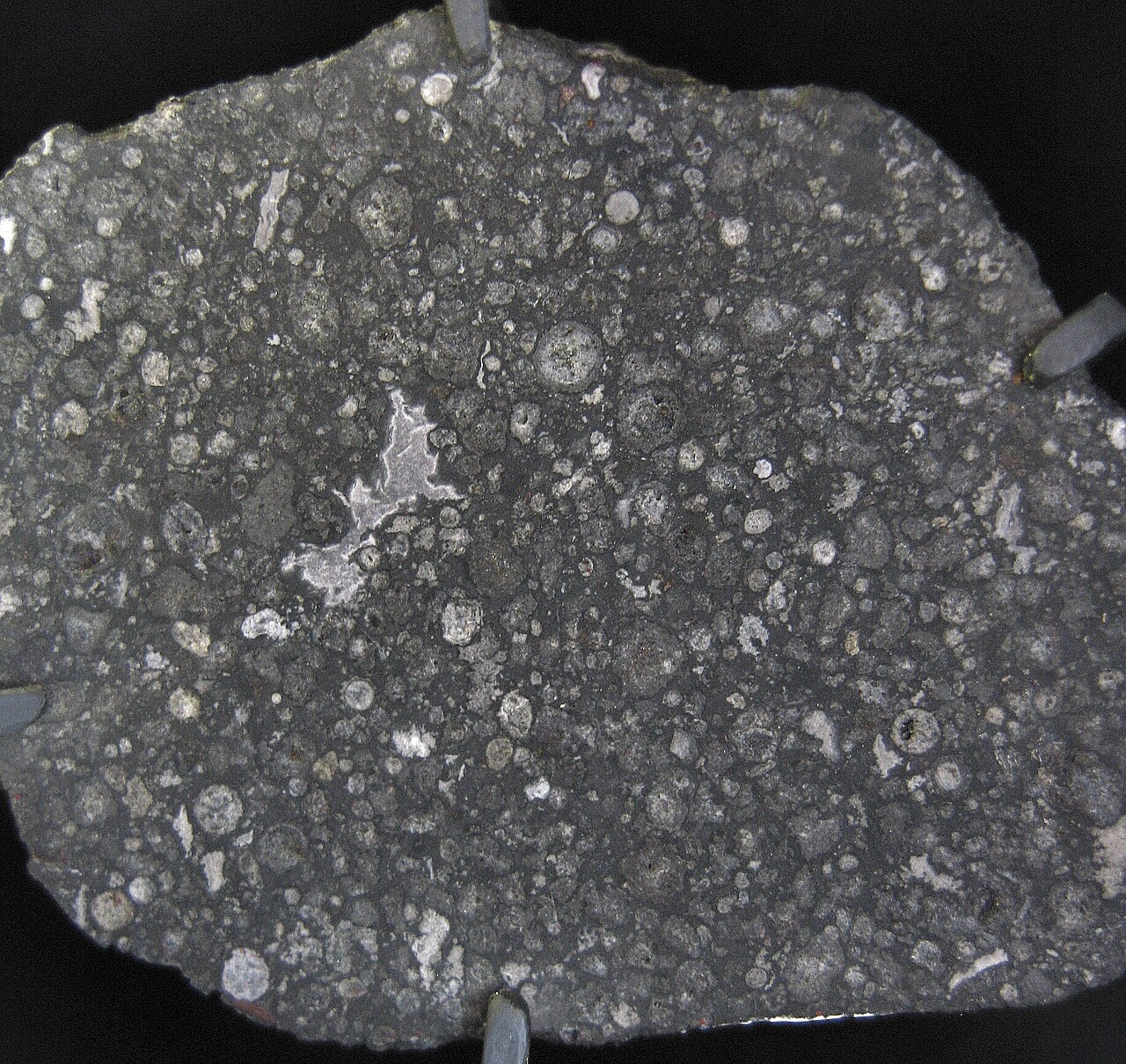
Every snowflake needs its speck of dust—and so does a planet. That humble truth anchors a cosmic mystery: how did the first solid grains crystallize out of the Solar System’s searing gas cloud? Perfectly uniform vapor won’t condense on its own; it waits, supercooled and stubborn, for a seed. This is the same problem that has haunted cosmochemists for decades. The new Caltech work, reading meteorite fragments like fossilized whispers, finally gives us a fingerprint of that first nucleation event.
Why does this matter? Because every world we know—every mountain, every ocean, every breath of our own atmosphere—traces back to a single speck of grit. Understanding that seed is understanding the first chapter of our existence. It also signals a broader truth: structure in the universe never emerges from nothing. From galaxy clusters to the grains in a snowflake, the cosmos always needs a catalyst, a tiny imperfection to build on.
What excites me is that we’re now catching the act itself. Meteorites are not just rocks; they are time capsules of the moment order triumphed over chaos. As we decode their chemistry, we’re rewriting the origin story of everything that is solid.
So remember: even the grandest worlds begin with a mote of dust. The universe doesn’t create from void—it creates from a single, stubborn seed. And we are finally learning how to listen to its first breath.