Here's why retro games look better on old CRT TVs
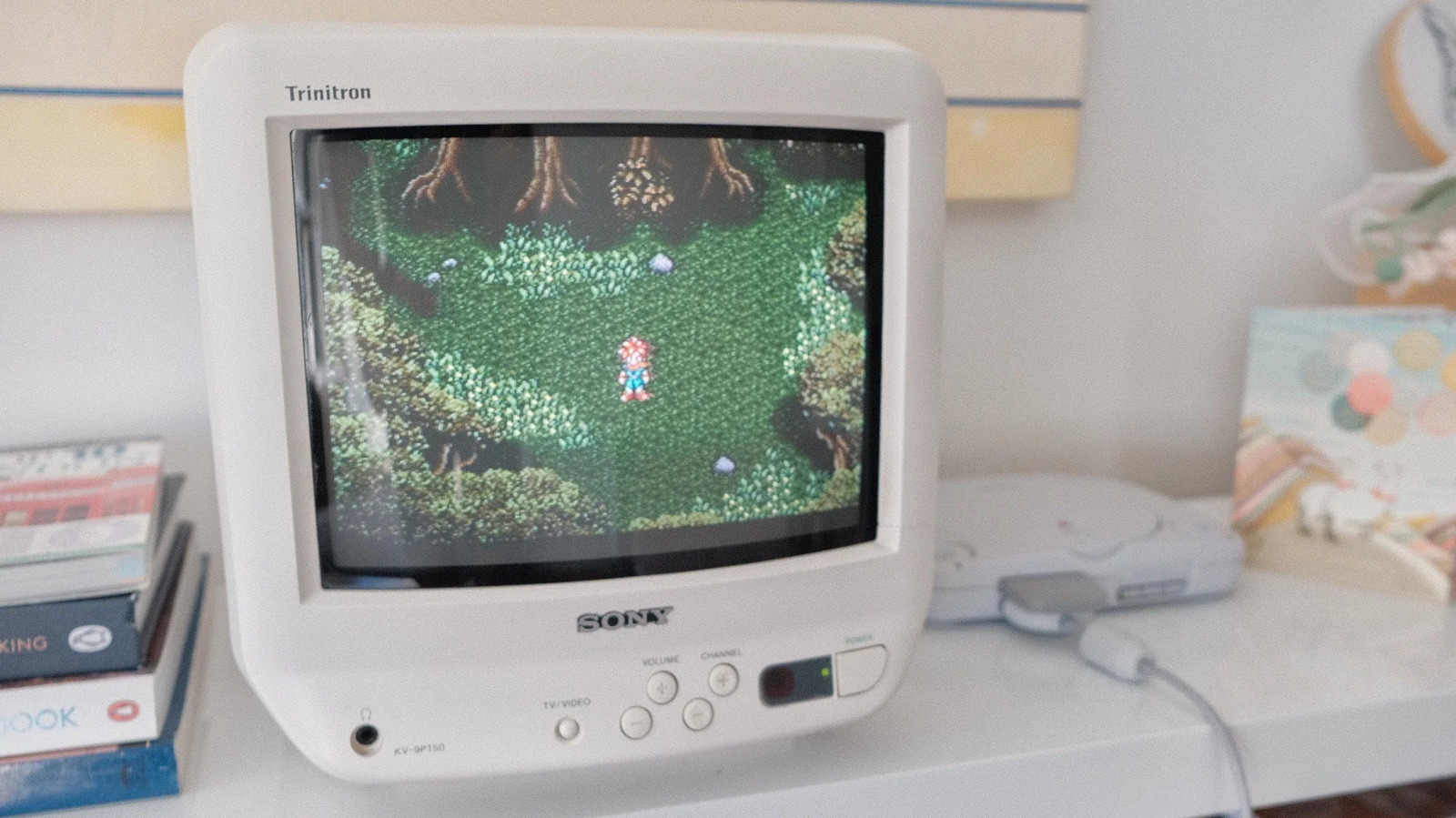
Here's why retro games look better on old CRT TVs The internet’s endless nostalgia debate has a definitive answer: it’s math, not memory. Retro games were designed for the CRT’s analog quirks—the scanlines, the slight blur, the phosphor glow. Modern LCDs render every pixel as a harsh, unforgiving square, exposing the original hardware’s crude resolution and dithering tricks. The CRT wasn’t a limitation; it was the intended canvas.
This matters because it reveals a deeper truth about technology: we don’t just consume media, we co-produce it. The display is part of the art. Emulators try to replicate CRT filters, but they can’t replicate the physics—the way a ball rolls across a phosphor trail or how light blooms in a dark room. It’s a reminder that innovation isn’t always about sharper, brighter, faster. Sometimes, the old constraint was the feature.
This story signals a wider shift: from pure fidelity to fidelity to intent. As AI upscaling and neural filters become standard, the retro revival is a counterweight—a demand for authenticity over raw resolution. The CRT is having a quiet renaissance, not because it’s old, but because it understood its content.
Your 4K TV isn’t better. It’s just louder. The CRT whispers the truth the game always knew.