Indonesia wildfires threaten orangutans rescued from animal traffickers
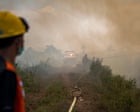
The flames now lapping at a West Kalimantan orangutan rehabilitation center deliver a bitter irony: these great apes were rescued from one human-made menace, wildlife trafficking, only to face another. The cages are open, but the sky itself has become a cage of smoke.
This is not a single accident. Indonesia’s record fire season, amplified by El Niño and the human-driven climate crisis, signals that conservation cannot be walled off from planetary pressures. Every sanctuary, no matter how well-guarded, remains vulnerable to a warming world. The orangutan’s plight is a canary—not in a coal mine, but in a rainforest turning to ash.
What matters here is the collision of two crises: biodiversity loss and climate change. As humans encroach and global temperatures rise, even the most protected refuges become fire lines. A rescued animal is not a safe animal when the habitat itself is under siege.
The traffickers’ nets were cut, but the planet is still burning. Saving an orangutan from a smuggler does not save it from a world on fire.
{"key_insight":"Wildlife rehabilitation cannot succeed in isolation from climate action; rescued animals remain hostage to a warming planet.