Concerns grow over increased global ties with Taliban in Afghanistan
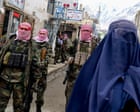
The world’s memory is short, and Afghanistan’s ledger is long. Five years after the Taliban’s return, we're watching a geopolitical shrug: more flags raised in Kabul, more handshakes with ministers who have erased half the population from public life. The campaign to end diplomatic isolation is working, not through reform, but through patience and the West’s own fatigue.
This matters because realpolitik has a price list. For powers like China, Russia, and regional players, the Taliban offer security guarantees, mineral access, and a bulwark against instability. For Europe, the draw is migration control. Those are tangible wins. The intangible—women's rights, press freedom, justice for victims—becomes a footnote, a “regrettable but necessary” compromise.
The signal here is clear: normalization is a currency, and rights are being spent. Every renewed embassy is a quiet audit that says the Taliban’s abuses are tolerable if the invoices are paid in security or economics. Campaigners warn this undermines leverage, but the leverage was already sold for the price of a functioning border.
The uncomfortable truth is that no one has a clean playbook. Isolation failed to change behavior; engagement may not either. But the difference is moral clarity. When you shake a hand, you accept the fingerprints. Let’s hope history remembers whose hands we chose to shake—and why.