In a first, US will allow some private firms to carry out cyberattacks
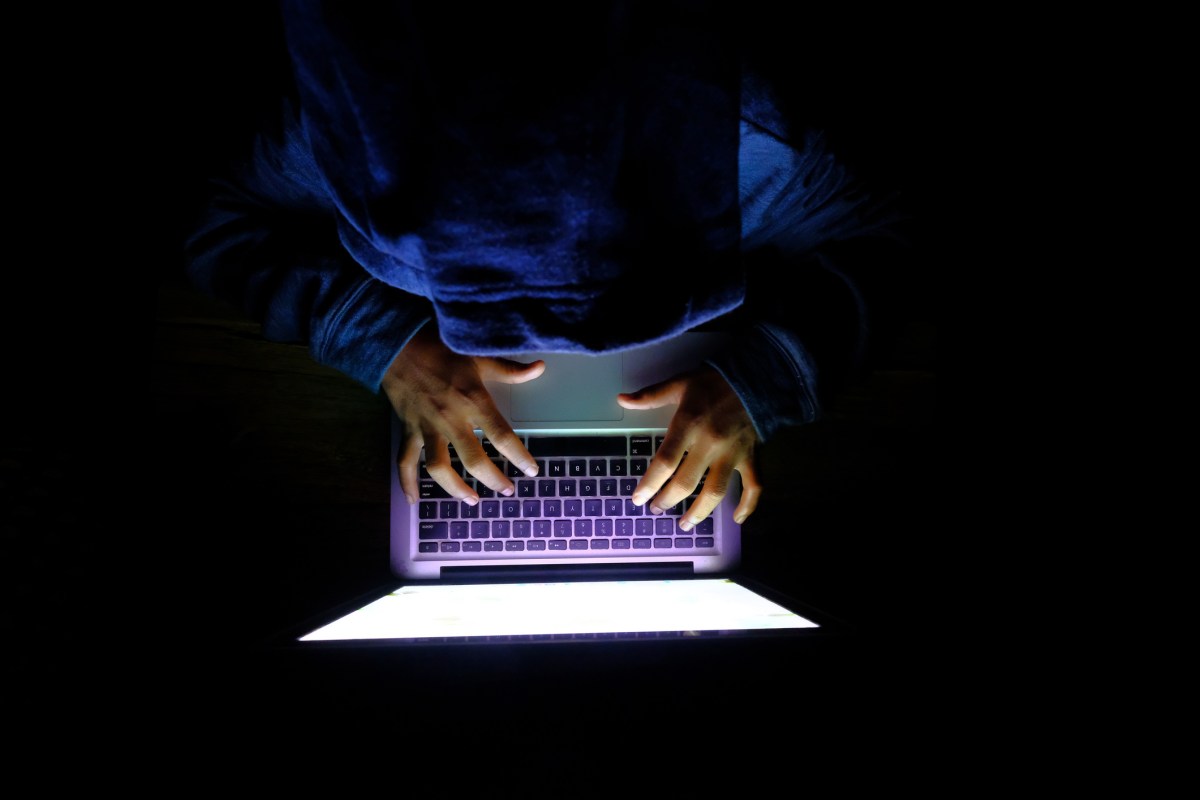
Both Sides, One Feed — and this one’s red hot. The Pentagon’s new cyber doctrine just torched a 50-year firewall. Private firms are no longer just the target-rich playground for state-sponsored hackers; they’re now deputized to strike back. It’s a pragmatic acknowledgment that the digital frontier is lawless, and the cavalry isn’t coming.
We’ve officially blurred the line between corporate self-defense and state-sponsored warfare. For hawks, this is overdue—if you have the capability to attribute an attack and knock out a server in Moscow, why wait for a government that moves like molasses? For doves, this is a recipe for vigilante chaos, stray bullets, and a cyber-Wild West where escalation spirals faster than a phishing scam. Both are right. That’s the rub.
This signals a major shift in private sector power—and liability. Imagine a CISO getting a personal invitation to a Senate hearing because a "hack back" nuked a hospital’s network that was sharing infrastructure with a botnet. The legal architecture? Still being invented. It connects to a broader trend: the privatization of national security, from mercenary armies to now, cyberhitmen.
The signal is clear: the offensive is no longer the government’s alone. The closer? Be careful what you authorize, because in cyberspace, you can’t see who’s firing back. And they’re firing back from a country that doesn’t need your permission.
{"key_insight":"Policy shift privatizes offensive cyber ops, trading speed for accountability risks.