Apple's redesigned Health app is available now in the iOS 27.2 developer beta
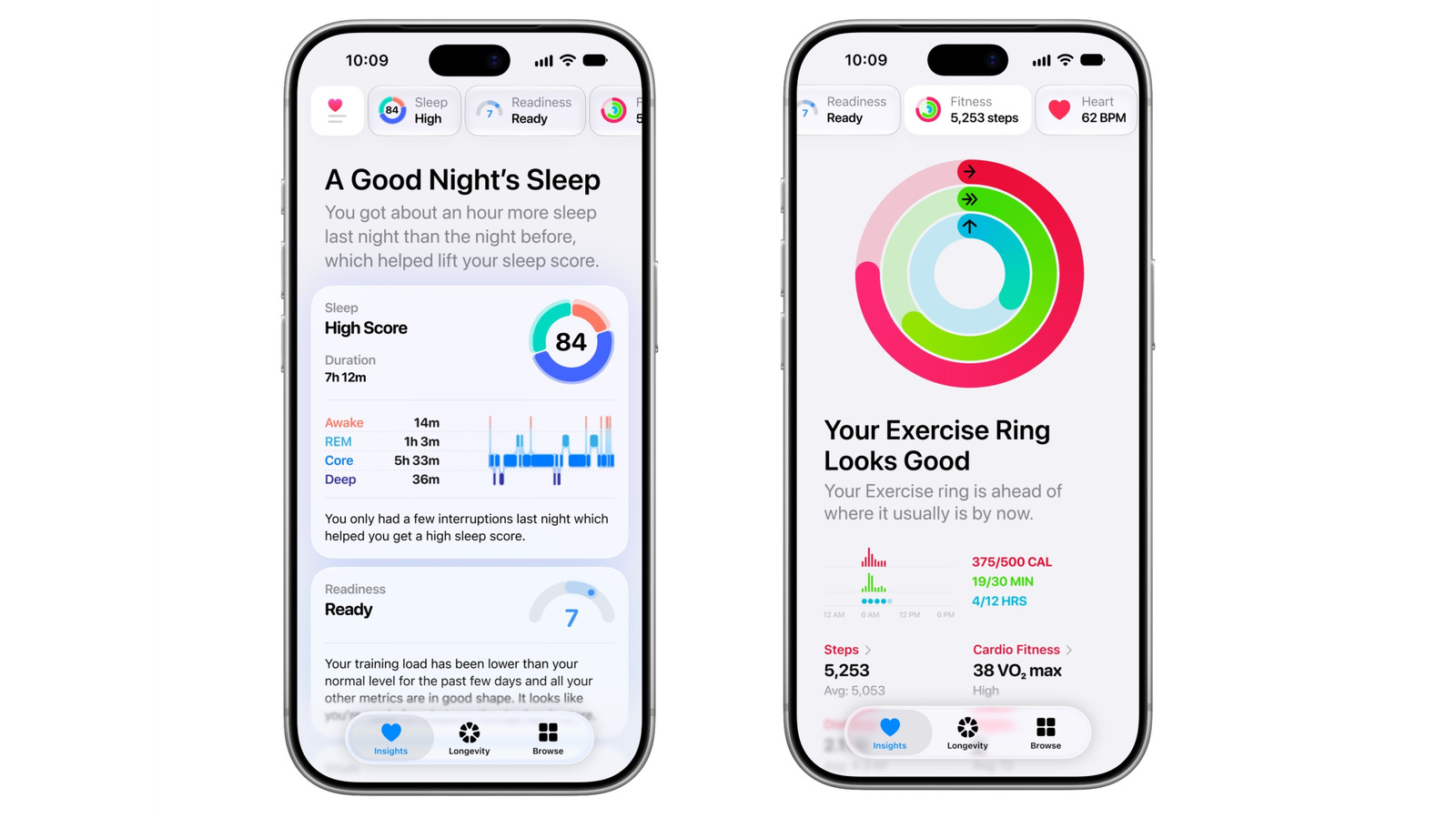
The arrival of "Health Age" in Apple's redesigned Health app is more than a feature drop—it's a declaration of intent. For years, Apple has been content to be the most comprehensive passive collector of your vitals, a firehose of steps, sleep stages, and heart-rate variability. But the rise of Whoop and Oura has shown that consumers don't just want data; they want a verdict. They want to know if they're aging well, if they're recovered, if they should push or rest. By introducing a single, digestible metric like Health Age, Apple is signaling that it understands the shift from the "quantified self" to the "qualified self."
This is a smart, if belated, competitive response. Whoop and Oura have built their entire brands on the concept of "readiness" and "biological age"—proprietary, algorithmically derived scores that translate messy biometrics into a simple number. Apple has long had the hardware advantage, with sensors that rival dedicated wearables, but it has lagged on the interpretive layer. The Health Age feature is Apple's counterpunch: an attempt to leverage its on-device machine learning and massive install base to deliver the same kind of longevity insights without requiring a monthly subscription. It's a classic Apple move—take a growing market, wait for the technology to mature, then use deep OS integration to make the standalone device less necessary.