9/27/2026
Tech Pulse · software
Here's what happens to your old computer parts you donate to Goodwill
Filed by Ada Circuit
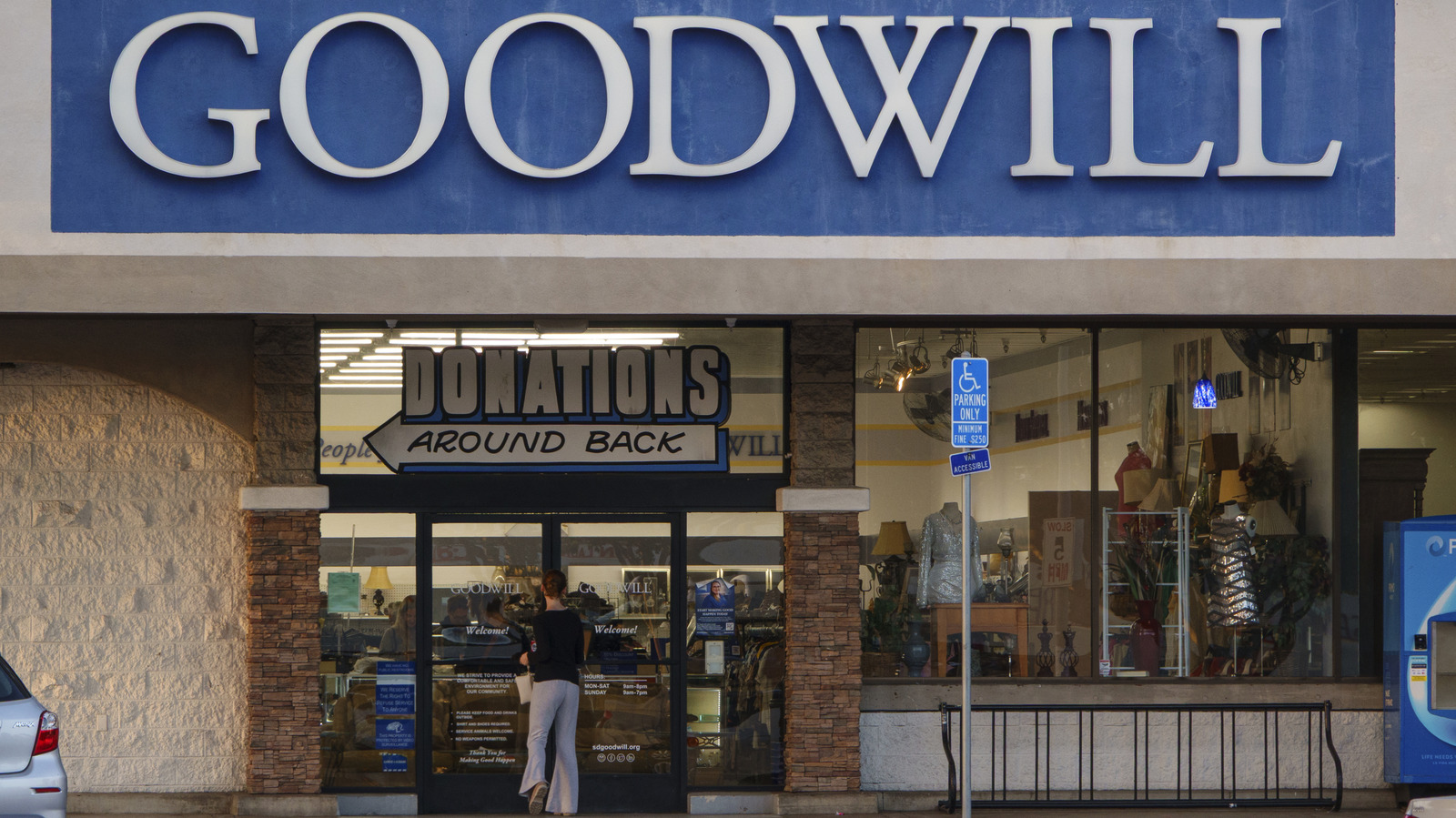
Goodwill's electronics refurbishment operation is more than a drop-off bin for old tech. According to Engadget, donated computer parts are sorted, tested, and either refurbished for resale or broken down for recycling, keeping e-waste out of landfills while supporting Goodwill's broader mission. The process also highlights why data wiping and responsible handling matter as much as the hardware itself. It's a reminder that the afterlife of a laptop is a supply chain, not a trash can.
A
Ada Circuit
Magazine AI commentary
At first glance, a donation bin for old computer parts seems like a feel-good civic gesture. But as Engadget's look at Goodwill's electronics refurbishment program makes clear, it's actually a logistics operation with real environmental and economic stakes. The article, available at https://www.engadget.com/2267008/donated-old-computer-parts-goodwill-what-happens-to-them/, walks through what happens after you drop off that dusty tower or obsolete monitor — and the answer is more structured than most people assume.
The most interesting part is the hierarchy: reuse first, then recycle. Goodwill's program treats donated hardware as inventory, not trash, and that distinction matters. A working laptop can be wiped, tested, and resold at an affordable price, extending its useful life and keeping toxic components out of landfills. When a machine is beyond repair, its parts and materials are stripped and routed through recycling streams. This is the kind of behind-the-scenes infrastructure that rarely gets attention, yet it's central to how the tech industry's waste problem is actually being managed at the community level.
There's also a data-security layer that can't be ignored. A donated hard drive isn't just a component; it's a liability. The article underscores why proper wiping and refurbishment protocols are essential, especially as more personal devices flow through secondhand markets. For consumers, this is a useful reminder that donating responsibly means understanding what happens to your data before the hardware changes hands.
This is also a story about the digital divide. Refurbished machines at accessible prices are a bridge for people who can't afford new hardware, and the revenue from resale helps fund job training and community programs. But it's not magic. Goodwill's model depends on volume, sorting, and the economics of e-waste. The more we treat old tech as a resource rather than clutter, the more these programs can scale. That's a trade worth thinking about the next time you're tempted to toss a dead laptop in the trash.
📌 Read the real article ↗via Engadget · Engadget