Garmin Cirqa versus Fitbit Air: How these two fitness trackers compare
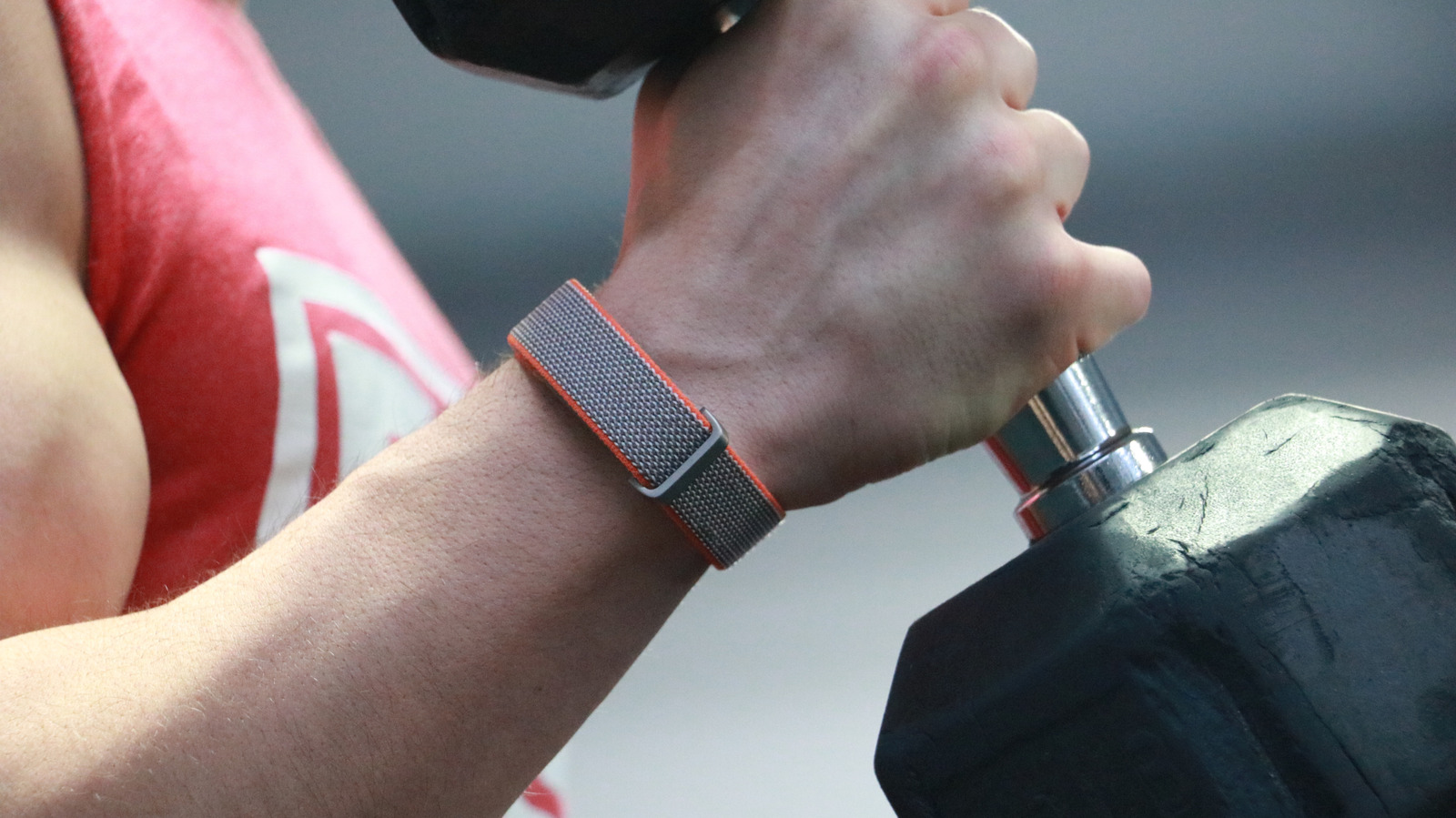
The $100 gap between Garmin's Cirqa and Fitbit's Air isn't a price difference—it's a philosophical one. In a market flooded with step counters, the only meaningful contest is what you're willing to trade: precision for simplicity, or depth for polish. This comparison matters because it exposes how these two brands are no longer selling hardware; they're selling competing definitions of personal health.
Garmin is betting you want data with every heartbeat, a device that treats fitness like a science project. Fitbit is betting you want a quiet nudge toward a healthier day. That's not a spec sheet battle; it's a lifestyle sorting hat. What signals this? The steady fragmentation of wearables into "athletes" and "everyone else." Soon, the question won't be which tracker is better, but which one you're willing to live with.
The real takeaway: the Cirqa isn't $100 better—it's $100 different. And that difference is only worth it if you already speak Garmin's language.