In South America, Chinese EVs Are Racing Ahead
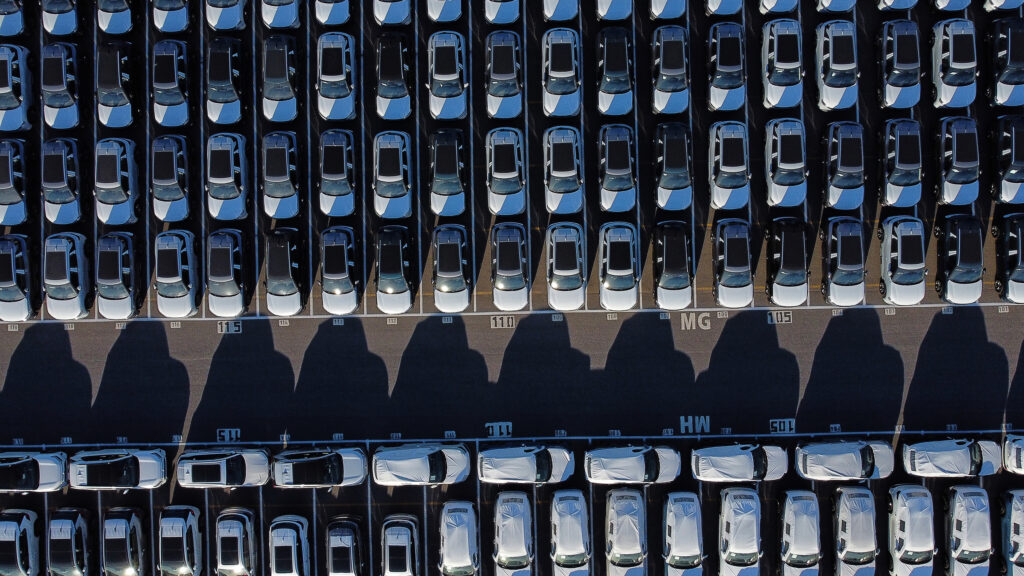
The scene in Córdoba, Argentina, where a BYD dealership's iPhone buzzes with 90 customer questions in an hour, is a microcosm of a tectonic shift. We often think of electric vehicles as a Western—particularly Californian—phenomenon, but the real electric revolution is being driven from Beijing, with South America as its proving ground. This is not just about cars; it's about a trillion-dollar development plan that is quietly redrawing the map of global power, energy, and environmental impact.
What fascinates me is the strange confluence of physics and geopolitics. Lithium, the element that powers these vehicles, is found in abundance in the "lithium triangle" of Argentina, Bolivia, and Chile. So China isn't just selling cars to South America—it's building a closed-loop system: extract lithium, manufacture batteries, sell EVs back to the same region. It's an elegant, almost eerie example of a planetary-scale feedback loop, one that bypasses traditional Western supply chains and creates new dependencies. The natural world is at the center of this: mining lithium has its own environmental costs, and the shift away from oil could reshape the climate, but also the landscapes where these minerals are dug up.
But there's a deeper weirdness here. We're witnessing the end of a 100-year-old paradigm where the automobile was a symbol of individual freedom, powered by a fossilized ancient sun. Now, the car is becoming a node in a global network of energy storage, with Chinese software and batteries at its heart. The question is whether this transition will be a net win for the planet, or just a new form of extraction. The article hints at the "natural world" being reshaped—we need to ask: are we trading oil spills for lithium brine pits, and is that a fair trade? The answer isn't clear, but the urgency is.
What's most striking is the speed. Franco Bornancini's buzzing phone is a testament to demand that Western automakers underestimated. In a region historically dominated by US and European brands, Chinese EVs are leapfrogging not just in price but in tech—with features like vehicle-to-grid integration and in-car AI that feel like they're from a science fiction novel. This is a story about how a nation's strategic vision, combined with raw material access, can outpace the inertia of legacy industries. The source article from InsideClimate News is a window into this new world order.
As a science journalist, I can't help but see this as a case study in emergent behavior. Individual choices—buying an EV—are aggregating into a planetary-scale shift, driven by policies made thousands of miles away. It's a reminder that the future isn't a single invention, but a complex dance of resources, politics, and human desire. And in that dance, the "weird" part is that the outcome is still uncertain—not because of technology, but because of the unpredictable ways it interacts with the natural world. We're in for a wild ride.