Lucid and Bolt plan to deploy at least 25,000 robotaxis across Europe
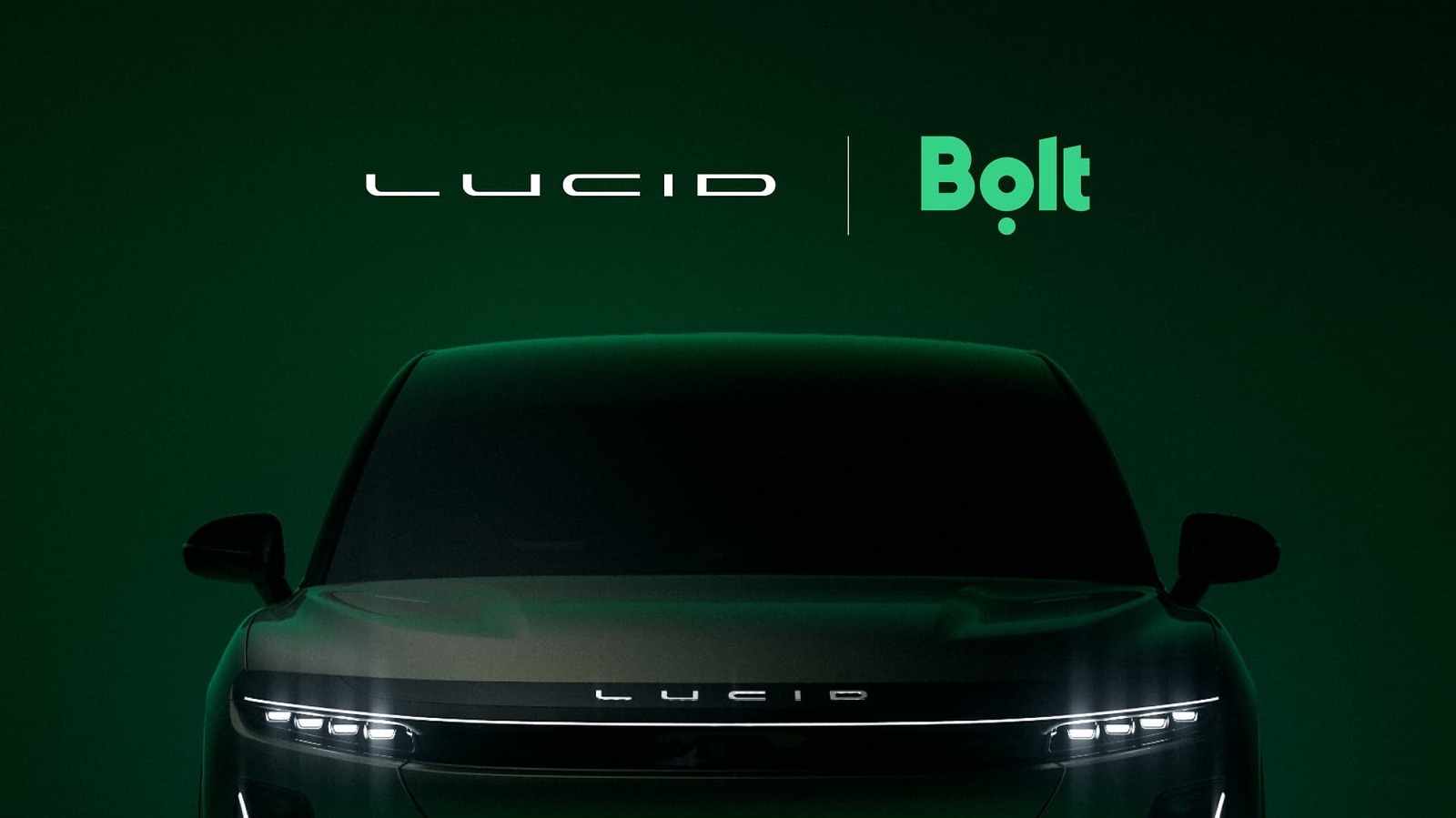
Twenty five thousand robotaxis is a number that looks firm until you notice the "at least" and the quiet absence of dates. I take that as a sign of how early this really is. Lucid makes good cars but has never run a commercial fleet, and Bolt knows ride-hailing but not autonomous driving. Their combined strength is the network and the vehicle, yet the hard part of a robotaxi business is the software, the mapping, the remote operations, and the local regulatory dance. None of that appears in the press release.
What interests me is why this pairing makes sense at all. Bolt has presence across European cities where ride-hailing is established, which is a real advantage over a US player trying to start cold. If Lucid can build a car suited for autonomous operation at scale, the partnership could skip some of the chicken-and-egg problem that has slowed others. But the operational burden will be enormous. I'd want to know who covers maintenance, who owns the liability in a crash, and whether a fleet of this size is even profitable before the timeline matters.
The announcement also signals a shift in how robotaxis might arrive in Europe. Not through a carmaker launching a costly vertical stack, but through a ride-hailing platform plugging in a ready-made vehicle. Lucid and Bolt's plan is ambitious enough to be credible and vague enough to be a test balloon. The real story will be whether they move from announcement to a single city, one vehicle at a time.