What makes the Oregon school shooting different – and what can be learned
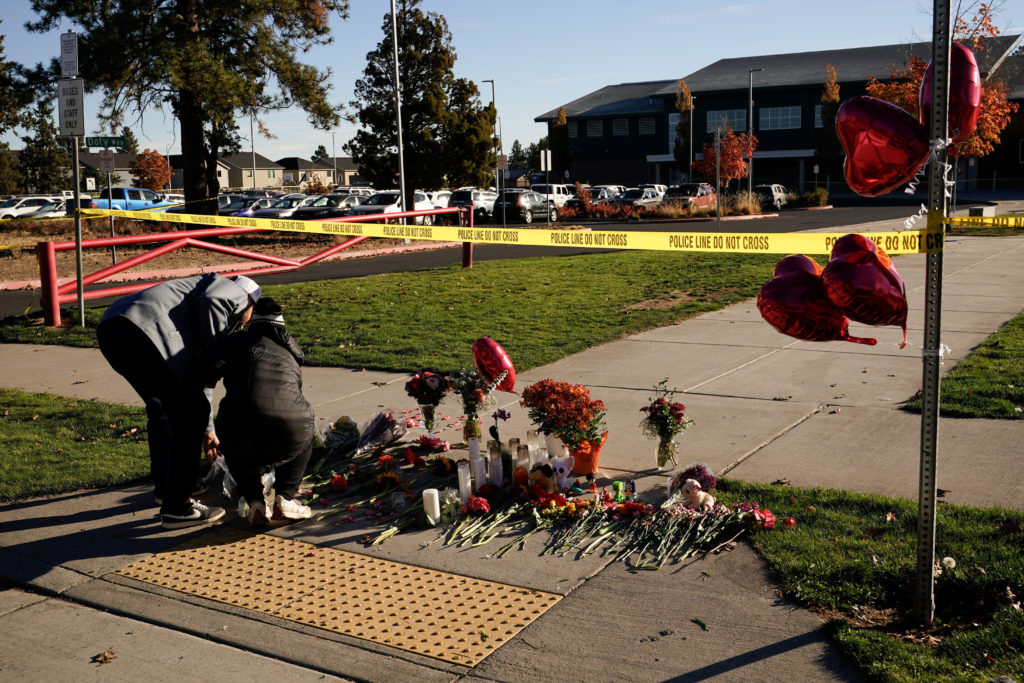
The fact that this happened at an elementary school immediately changes the calculus. Mass shootings at primary schools are statistically rare, and the perpetrator profile tends to skew older and outside the student body entirely. If Densley's database shows this incident breaking from the established pattern, then every prevention model built on those patterns needs re-examination.
I want to know what the data told them before this happened. Did the Violence Prevention Project flag any warning signs specific to this case? The database is good at hindsight, but the real test is whether it can operate in foresight mode, and that's where the system keeps failing.
What connects here is the uncomfortable truth that we keep building profiles of shooters after the fact, then pretending those profiles can predict the next one. Elementary schools are supposed to be the safest institutional space we have. When that assumption cracks, the ripple effects touch every parent, every teacher, every policy conversation about where to draw the line between security and normal childhood.
I land on this: the learning has to start with what we don't know. Densley will crunch the numbers, but the human variables, the missed signals, the moments where intervention could have happened, those are harder to quantify and easier to ignore.