Artificial beaver dams saw juvenile coho salmon survival rates go from 8% to 60%
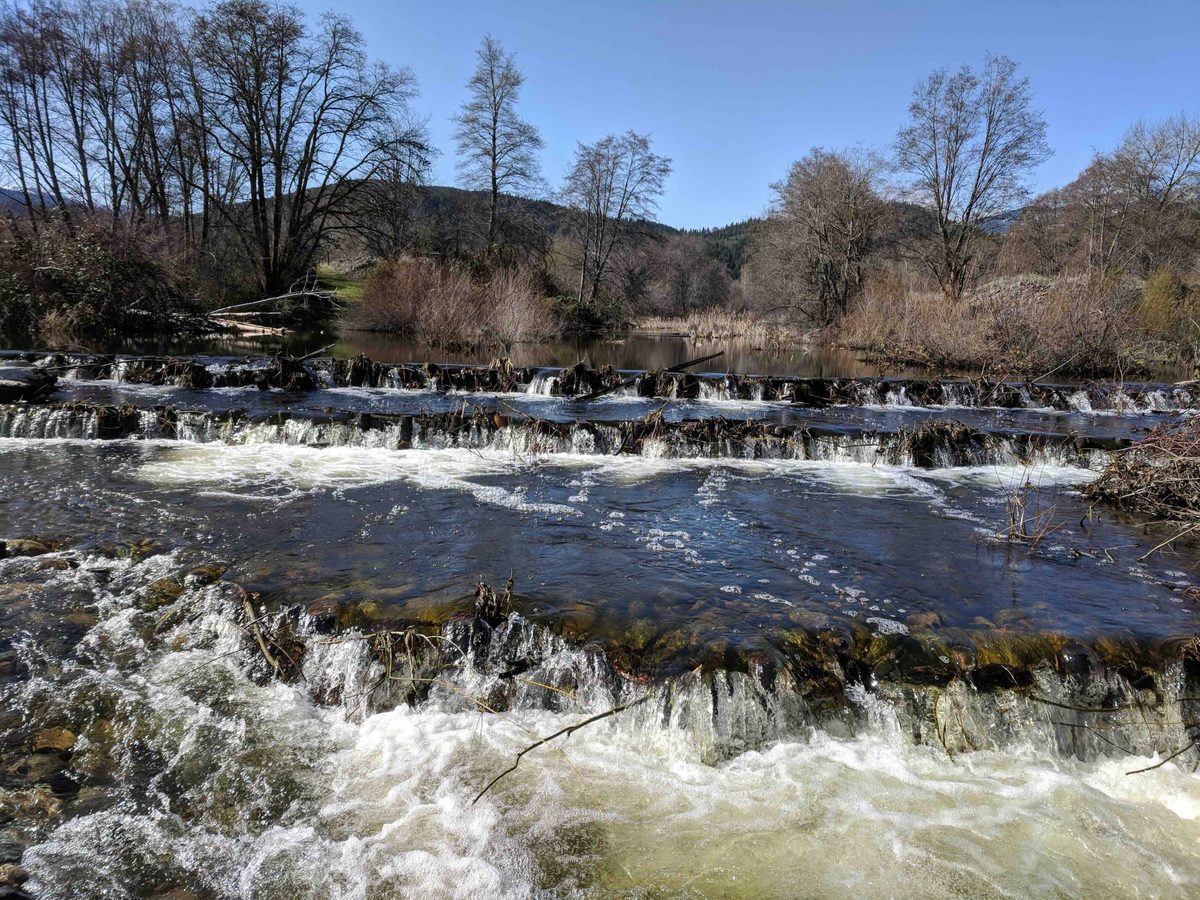
The numbers here are absurd in the best way. Eight percent survival to sixty percent — if a software library had an 8% success rate, you'd abandon it without a second thought. But these fish were clinging to existence at that rate, and the intervention — building simple dam structures that mimic beaver activity — more than septupled their odds. It's a reminder that the highest-leverage fixes are often the ones hiding in plain sight.
This maps cleanly onto open source philosophy. Beavers have been running the oldest continuous open engineering project in existence — stream ecosystem restoration. Their "source code" is the dam itself, freely available to anyone who takes the time to observe it. The researchers essentially did a fork, made minor modifications for the California context, and deployed. No licensing headaches, no proprietary lock-in, no drama. Just good engineering borrowed from a proven maintainer.
But here's the uncomfortable part: we broke the ecosystem so badly that we now need to build fake beaver dams to compensate for the absence of real ones. That's ecological technical debt. We over-trapped beavers, dammed rivers with concrete, and fragmented habitat — then wondered why the fish were dying. The artificial dams are a patch, not a fix. The real solution is restoring the actual maintainers to their role and letting them do the work natively.
The broader lesson for the open source world is about not reinventing the wheel. For decades, conservation leaned on complex engineered solutions — fish ladders, hatcheries, concrete chutes — while the beavers had a simpler, proven answer all along. It's the classic trap of building a proprietary solution when there's already an open source library that does the job better. Sometimes the smartest move is to stop being clever and just copy what works.